










Fox Nuts for Dogs: A Healthy Snack Option
If you’re looking for a healthy treat alternative for your furry companion, fox nuts—also known as makhana—might be worth considering. These crunchy, white puffed seeds come from the lotus plant and have become increasingly popular as a human snack. But can they benefit your canine friend too? What Are Fox Nuts? Fox nuts are naturally low in calories and fat, making them an interesting option for dogs, especially those watching their waistline. They contain fiber, protein, and several minerals that can support your...

Body Condition, Weight Management, and Healthy Dog Diets
Learn how to score your dog’s body condition and discover healthy dog diets that can make weight management a breeze! Keeping your dog at a healthy weight is one of the most important things you can do to ensure a long, active, and happy life. Excess weight and obesity can cause joint problems, heart and respiratory issues, diabetes, reduced immunity, decreased energy and quality of...

4 Signs Your Dog Is Over Holiday Socializing
Holidays can be full of parties and socializing, and it’s natural for us to want to include our dogs in these celebrations. But many dogs, like humans, may have a limit for how much socializing and partying they’re up for. Knowing when your dog has had enough holiday socializing is an important part of keeping everyone safe. Should Fido Be at the Gathering? The first thing to consider is whether or not you should even include your dog in holiday gatherings. You need to know their personality type, as well as their likes and...
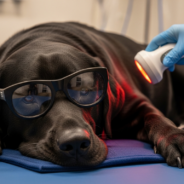
Light Therapy for Dogs: How Photobiomodulation Can Help Your Furry Friend
As advances in veterinary medicine continue to grow, more dog parents are discovering innovative treatments that can improve their canine companion’s quality of life. One such breakthrough is photobiomodulation therapy, also known as low-level laser therapy or red light therapy. This gentle, non-invasive treatment uses specific wavelengths of light to stimulate healing at the cellular level. What Is Photobiomodulation? Photobiomodulation works by delivering red and near-infrared light to tissues, which helps cells produce more energy...

Common Causes of Gastrointestinal Problems in Dogs
Watching dogs suffer from stomach issues can be really stressful for parents. Gastrointestinal problems are common in dogs, but understanding what causes them can help you protect your pup’s digestive health. Dietary Troubles One of the biggest causes of stomach problems is what your dog eats. Dogs love to explore the world with their mouths, which can get them into trouble. When they eat something they shouldn’t – like garbage, spoiled food, or things that aren’t food at all – it can upset their stomach badly....

Holiday Hazards That Could Harm Dogs
The holiday season brings joy, family gatherings, and festive decorations. However, many common holiday items can be dangerous or even deadly to dogs. As a responsible parent, knowing about holiday dangers for dogs helps keep your four-legged family member safe during the celebration season. Dangerous Holiday Foods Many holiday treats that people enjoy can cause serious health problems for dogs. Chocolate tops the dangerous list – it contains substances called theobromine and caffeine that dogs cannot process properly. Dark chocolate...

3 Common Dental Issues in Dogs
Dog parents want the best for our furry family members. But did you know that dental health plays a huge role in your dog’s overall well-being? Just like humans, dogs can develop serious dental problems that cause pain and affect their quality of life. Let’s explore the most common dental diseases in dogs and what you can do to help prevent them. 1. Periodontal Disease Periodontal disease is the most common dental problem affecting our canine companions. If your dog is over 3 years old, there’s an 80-90% chance they already...

5 Most Misunderstood Behaviors in Dogs
We love our furry friends, but sometimes their actions leave us scratching our heads. Many common canine behaviors are often misunderstood, leading to frustration for both dogs and their families. Understanding what your dog is really trying to tell you can strengthen your bond and help address any issues with compassion. 1. Excessive Barking Isn’t Just Noise When your dog barks constantly, it might seem like they’re being difficult. However, dogs always have a reason for barking. They use their voice to communicate excitement,...

Grapes and Raisins Are Toxic to Dogs
Dog parents want to share everything with their furry family member, including tasty snacks. However, some foods that seem harmless can actually be toxic for dogs. Grapes and raisins are among the most toxic foods your canine companion can eat. Why Are Grapes and Raisins So Dangerous? Scientists have recently discovered that tartaric acid and its salt form are likely the toxic parts of grapes and raisins. These chemicals are found in high amounts in fresh grapes, raisins, sultanas, and Zante currants. The scary part is that we don’t...

Skin and Stomach Health 101: Common Issues and Solutions for Dogs
Supporting skin and stomach health for dogs is challenging and often requires lifestyle and diet changes. Fortunately, the right food can make a world of difference, especially a high-quality, grain-free recipe. Itching, redness, digestive upset, food sensitivities: Skin conditions and stomach issues are common in dogs. While it’s hard to see a dog struggle with discomfort, you can help alleviate symptoms with a few simple changes, and your veterinarian can provide professional guidance. Let’s explore canine skin and stomach...