









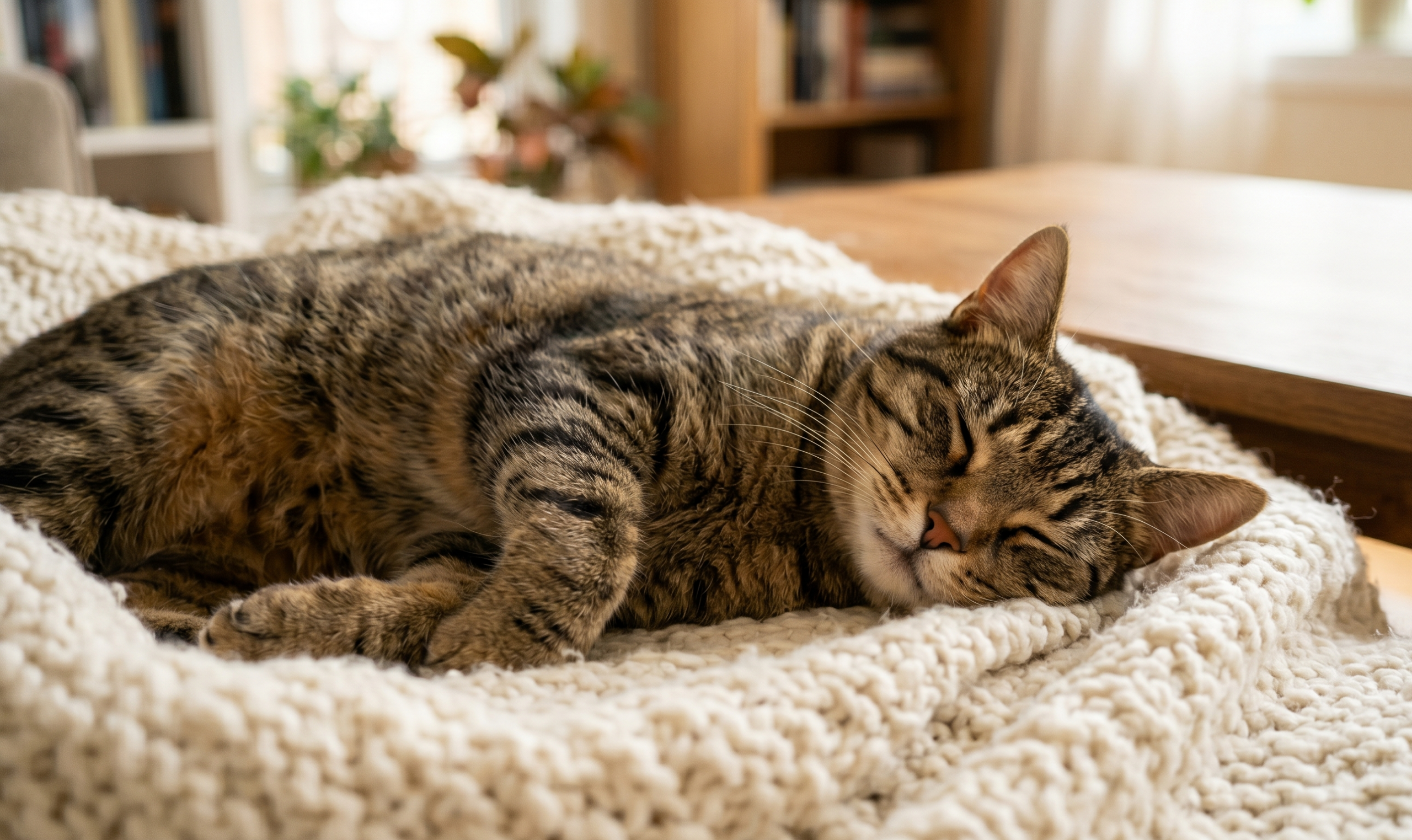
Heart disease is surprisingly common in our feline companions, affecting cats of all ages. The good news? Catching it early can make a significant difference in your cat’s quality of life and longevity. Here’s what you need to know about identifying heart problems before they become serious.
Why Early Detection Matters
Many cats with heart disease show no obvious signs until the condition has progressed significantly. By the time symptoms like difficulty breathing or weakness appear, the disease may already be advanced. This makes routine veterinary visits absolutely essential for your cat’s health.
Common Heart Conditions in Cats
The most frequent heart condition in cats is hypertrophic cardiomyopathy (HCM). This disease causes the heart muscle to thicken, making it harder for the heart to pump blood effectively. HCM can affect cats from kittenhood through their senior years, with male cats facing higher risk. Other heart conditions include arrhythmogenic right ventricular cardiomyopathy and various valve problems.
Watch for These Warning Signs
While heart disease often develops silently, some cats may show subtle changes including:
- Rapid or difficult breathing (more than 35 breaths per minute while resting)
- Reduced activity or tiring easily
- Loss of appetite
- Weakness in the back legs
- Pale or blue-tinged gums
- Collapse or fainting episodes
The Importance of Regular Check-ups
Your veterinarian can detect heart problems during routine examinations by listening to your cat’s heartbeat. Abnormal heart sounds, called murmurs, or irregular rhythms can indicate underlying disease. This is why annual wellness visits are so crucial—they allow your veterinarian to catch problems early.
If your veterinarian suspects heart disease, several tests can confirm the diagnosis:
- Echocardiogram: A non-invasive ultrasound that shows the heart’s structure and function
- Blood tests: Including pro-BNP tests that measure heart stress
- Blood pressure monitoring: High blood pressure often accompanies heart disease
- X-rays: To check for heart enlargement or fluid in the lungs
Take Action at Home
You can monitor your cat’s breathing rate while they’re sleeping or resting. Count how many times their chest rises in 15 seconds, then multiply by four. Rates consistently above 35 breaths per minute warrant immediate veterinary attention.
Moving Forward
If your cat is diagnosed with heart disease, don’t panic. Many cats live comfortably for years with proper management, including medications, special diets, and regular monitoring. The key is working closely with your veterinarian to create a treatment plan tailored to your cat’s specific needs.
Always consult your veterinarian for proper diagnosis and treatment of any health concerns. They’re your best partner in keeping your feline friend healthy and happy.
Source: Animal Wellness Magazine