










Summer safety for dogs
Keep your dog safe this summer with tips on preventing heatstroke, avoiding common warm-weather hazards, and ensuring fun, healthy outdoor activities. Many of us enjoy the summer months. If we have dogs, though, we must know the health risks associated with this time of year, from heatstroke to accidental poisoning. Check out these tips on summer safety for dogs. Understanding heatstroke The American Veterinary Medical Association defines heatstroke as “a severe, life-threatening form of non-pyrogenic hyperthermia with a rapid,...
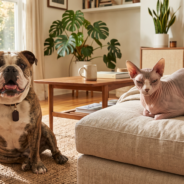
Indicators of Emotional States of Dogs and Cats
You already know your canine or feline companions have big personalities. But did you know that they are constantly “talking” to you through their body language and behavior? Learning to read the emotional signals of your dog or cat can strengthen your bond and help you spot problems early. Here’s what to look for. Why Emotional Awareness Matters Dogs and cats cannot tell us in words when they are scared, stressed, happy, or in pain. Instead, they communicate through their bodies and behaviors. The sooner you can recognize...
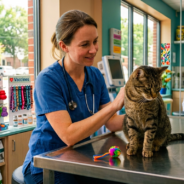
7 Common Neurological Conditions in Cats
As someone who cares deeply about their feline companion, noticing unusual behavior can be scary. Your cat might be stumbling, staring into space, or tilting their head to one side. These signs could point to a neurological condition — one that affects the brain, nerves, or muscles. Here’s what you should know. What Are Neurological Conditions? Neurological conditions affect the nervous system, which includes the brain, spinal cord, and nerves. When something goes wrong in this system, it can show up in many different ways —...

Imagining Gene Editing as The Next Catalyst for Evolution in Dogs and Cats
Imagine taking your Golden Retriever puppy to the vet for a routine checkup. The veterinarian runs a quick genetic screening and says, “Good news — we’ve confirmed that Max carries no markers for osteosarcoma or progressive retinal atrophy. His gene profile was edited before birth to remove those risks.” It sounds like science fiction, right? But the truth is, this kind of future is totally possible. Gene editing is one of the most exciting — and debated — topics in modern science. For dog and cat...

4 Reasons You Need to Try Goat Milk for Kittens
Discover four reasons why goat milk for kittens is something you should try today! Kittens are tiny balls of energy and fun. One minute they’re zooming across the house, the next they’re chasing their own tail in a kitty tornado. All that growing, playing, and exploring means they need nutrition that works with their little bodies. And that’s where goat milk comes in. It’s an important addition to kitten food because it’s gentle on tummies, packed with nutrients, and can help support healthy growth. If you...
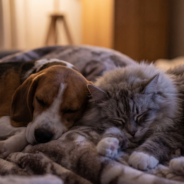
Does Late-Night Lighting Affect Your Furry Companion
If you love staying up late with the TV blazing or the lights on full blast, you may not realize how nighttime lighting affects dogs and cats — the four-legged members of your household. Just like humans, dogs and cats rely on natural light cycles to regulate their bodies and behaviors. Here’s what every dog and cat parent should know about nighttime lighting. The Body Clock Connection Dogs and cats have an internal body clock, known as the circadian rhythm. This internal clock is largely controlled by light and darkness....
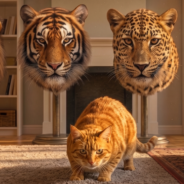
Hardwired Similarities Between Your Furry Feline and the Big Cats in the Wild — And the Takeaway
Have you ever watched your cat stalk a toy mouse across the living room floor and thought, “Wow, that looks like something I’d see on a nature documentary”? That’s because your cat and the big cats of the wild share a surprising amount in common. And understanding those connections can actually help you give your cat a happier, healthier life. Built the Same Way Domestic and wild cats are both obligate carnivores. This means their bodies are designed to run on meat. Their digestive systems, teeth, and even their eyes...
Nocturnal Activity in Cats
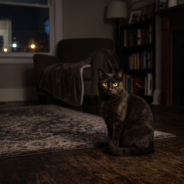
If your cat has ever pounced on your feet at 2 a.m., let out a loud meow right next to your ear, or gone on a full hunting mission through your hallway in the middle of the night — you are not alone. This is one of the most common concerns cat parents bring up, and the good news is there are gentle, natural ways to help. Why Do Cats Do This? Cats are naturally crepuscular, meaning they are most active at dawn and dusk. However, indoor cats often shift their energy bursts to nighttime hours. This can happen because of boredom,...

Retinal Degeneration: Is Your Cat’s Diet Stealing Their Vision?
Most cat parents spend a lot of time thinking about what goes into their cat’s food bowl. But did you know that poor nutrition can actually cause your cat to slowly lose their vision? It’s true — and it’s one of the most overlooked connections in feline health. What Is Retinal Degeneration? The retina is the part of the eye that receives light and sends visual signals to the brain. When the retina begins to break down, cats can experience serious vision loss — and eventually go blind. While some forms of retinal...

What Is Feline Infectious Peritonitis (FIP)?
If you share your home with a cat, you may have heard the term Feline Infectious Peritonitis, or FIP. It sounds scary — and it can be. Here’s what you need to know about this serious disease. What Is FIP? FIP is a severe and potentially fatal disease in cats. It begins with a very common virus called Feline Enteric Coronavirus (FCoV). This virus is widespread and, on its own, usually causes little to no harm. Many cats carry it without ever getting seriously ill — it may only cause mild stomach upset or no signs at...