










Want to Know How to Better Understand Your Dogs and Cats? Be Like Jane Goodall
Leonardo DiCaprio remembered Jane Goodall in these words: “She reminded us to begin with compassion.” Jane Goodall didn’t just observe chimpanzees; she truly listened to them. She took the time to notice their habits, their idiosyncrasies, and what made them unique. She treated them as individuals deserving of respect and understanding. So, what if you brought that same vibe into your living room? If you share your space with a dog, a cat, or maybe both, you have an amazing chance to better understand your furry companions...

Alternative and Integrative Treatments for Chronic Gingivostomatitis in Cats
TL;DR Feline Chronic Gingivostomatitis (FCGS) is a painful and persistent oral issue in cats. Although typical treatments like tooth extractions and medications are standard, alternative and integrative methods might provide extra support. Always consult with a vet before trying new treatments. Feline Chronic Gingivostomatitis is a serious ailment that leads to severe inflammation in a cat’s mouth, affecting not just the gums but the entire oral cavity. Cats suffering from FCGS often deal with intense pain, have trouble eating, drool...

Quality of Life Considerations for Cats Suffering From Cancer
TL;DR If your cat’s been diagnosed with cancer, prioritizing their quality of life is crucial in every decision. That means keeping them comfortable, joyful, and as pain-free as possible, whether you opt for treatment or focus solely on comfort care. Getting the news that your cat has cancer can be incredibly tough. It’s normal to feel overwhelmed. You suddenly have to make decisions you never wanted to face. It’s time now to take some time to figure out the most appropriate route forward. You have the space to think things...

Feline Trigger Point Therapy: Locating and Releasing Muscle Knots in Your Cat
TL;DR Trigger point therapy can ease muscle tension and discomfort in cats. You can boost your cat’s mobility and comfort by gently finding and massaging tight muscle knots, Always check with your vet before starting any home therapy. If you’ve ever felt a tight knot in your muscles, you know the struggle. Well, cats deal with similar issues. Trigger points are those small, tight spots in their muscle tissue that can lead to pain, stiffness, and restricted movement. These knots happen when muscle fibers get too tight and...
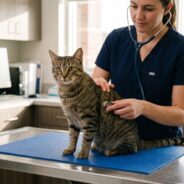
Lungworm in Cats: What You Should Know
TL;DR Lungworm is a parasitic infection in cats that can lead to breathing issues and other symptoms. You can help prevent it by regularly deworming and limiting outdoor time. Treatment options include standard medications and some natural remedies. Always check with your vet for the right diagnosis and treatment. Lungworm is a parasitic infection caused by tiny worms that live in a cat’s lungs and airways. The three main species that affect cats are Aelurostrongylus abstrusus, Troglostrongylus brevior, and Eucoleus aerophilus. While...

Aggression in Cats: How to Identify Stressors and Create Peace
TL;DR Cat aggression often stems from stress, fear, or competition for resources. Pinpointing the source of stress and ensuring each cat has its own space and necessities can help lessen aggressive behaviors and create a more peaceful home for your furry friends. When you see two cats snuggling one moment and then hissing the next, you know how perplexing their behavior can be. Aggression is actually one of the most frequently reported issues among cats at vet clinics. The silver lining? It’s usually manageable if you can grasp...

Natural and Alternative Approaches to High Blood Pressure in Older Cats
TL;DR High blood pressure, or hypertension, is a serious issue for older cats that can harm their eyes, kidneys, brain, and heart. While medication is often a must, there are natural ways to help manage the condition. Always collaborate with your vet before making any changes to your cat’s care. High blood pressure is one of the big health challenges for older cats. It’s often connected to kidney disease and hyperthyroidism, two pretty common issues in senior felines. If blood pressure stays high for too long, it can really do a...

The Gut-Kidney Axis in Cats
TL;DR The gut and kidneys in cats are interconnected. Issues in one can affect the other, so keeping both healthy is key for your cat’s overall well-being. If you’re worried, don’t hesitate to reach out to your vet. What Is the Gut-Kidney Axis? You might see your cat’s gut and kidneys as two separate entities, but they’re actually in constant conversation. This connection is known as the gut-kidney axis. The gut hosts trillions of tiny organisms, like bacteria and fungi, which we call the gut microbiome. When...

15 Natural Ways to Reduce Your Cat’s Risk of Infectious Diseases
TL;DR Keeping your cat healthy doesn’t always have to rely on medications. There are plenty of natural, everyday ways to boost your cat’s immune system and reduce their risk of getting sick. From what they eat to how you manage stress, this guide shares some simple but effective tips to help keep your furry friend safe from infectious diseases. Why a strong immune system matters? Infectious diseases can vary in severity for cats, ranging from mild annoyances to serious threats. Viruses, bacteria, fungi, and parasites are all risks...

Undiagnosed symptoms? Try an at-home microbiome test!
Microbiome imbalance can impact the entire body. Learn more about your fur baby’s gut health with an at-home microbiome test. The gut is home to a diverse community of microorganisms that play an important role in your dog’s or cat’s overall well-being. When this delicate ecosystem falls out of balance, it can disrupt normal gut function and potentially contribute to a variety of health concerns. Gut microbiome imbalances can be difficult to diagnose because the symptoms are so numerous. But a new at-home microbiome test...