









Fascia and Connective Tissue Health Is the Hidden Key to Your Dog’s Mobility
When dog parents think about keeping their dog moving well, they think about joints. Joint supplements line the shelves at pet stores, and arthritis is a common topic at the vet’s office. But there’s another important part of your dog’s body that rarely gets talked about — fascia — and it may play a bigger role in how your dog moves than you might think. What Is Fascia? Fascia is a thin layer of connective tissue that wraps around and connects muscles, organs, nerves, and bones throughout the entire body. Think...

Nutritional and Herbal Support Strategies for Hormonal Imbalances in Dogs
If your dog has been diagnosed with a hormonal imbalance, you may feel overwhelmed. While your veterinarian will guide your dog’s medical treatment, there are natural and nutritional strategies that may help support your dog’s overall health alongside conventional care. Understanding Hormonal Imbalances in Dogs Hormonal imbalances in dogs can involve several glands and systems in the body. Common conditions include hypothyroidism (low thyroid hormone), Cushing’s disease (too much cortisol), Addison’s disease (too...

5 Considerations That Matter When It Comes to Your Dog’s Diet
If you’ve ever stood in the dog food aisle feeling completely overwhelmed, you’re not alone. With hundreds of options lining the shelves, choosing the right food for your dog can feel like a guessing game. The truth is, what your dog needs depends on several key factors. Let’s break them down. 1. Size and Weight Matter A Great Dane and a Chihuahua are both dogs, but their nutritional needs couldn’t be more different. Larger dogs need more total calories, but they also have different metabolic rates and joint health...

Safe Exercise Practices for Your Dog
When it comes to keeping your dog healthy, exercise is one of the most important gifts you can give them. But just like with people, more is not always better. Finding the right balance between activity and rest is key to supporting your dog’s physical, mental, and emotional well-being. The Hidden Dangers of Over-Exercise Many dog guardians are surprised to learn that too much exercise can actually cause harm. Over-exercising puts unnecessary stress on muscles, joints, and soft tissue. This is especially true during high-energy games...
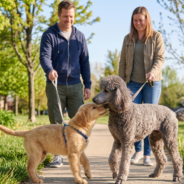
How Early Puppy Socialization Saves You Years of Dog Behavior Problems
If you have a dog, you’ve probably heard the word “socialization.” But what does it really mean, and why does it matter so much? Simply put, socialization is the process of helping your dog feel comfortable and confident around other dogs, people, and new experiences. When this process goes well early in life, it sets the stage for a happy, well-adjusted dog. When it doesn’t, the challenges can be significant — for both you and your dog. The Critical Window Dogs have a key socialization window that typically...

Understanding Heart Valve Diseases in Dogs
If your dog has been diagnosed with a heart valve problem, or if you’re just curious about your dog’s heart health, this post is for you. Heart valve diseases are some of the most common heart conditions seen in dogs. The good news? With the right knowledge and care, you can make a real difference in your dog’s quality of life. What Are Heart Valves and Why Do They Matter? Think of heart valves as doors inside the heart. Their job is to open and close with each heartbeat, keeping blood flowing in the right direction. When...

59% of Dogs in the United States Have One Common Problem — Obesity
If your dog seems a little rounder than usual, you are not alone. According to the Association for Pet Obesity Prevention, approximately 59% of dogs in the United States are considered overweight or obese. That means more than half of our beloved canine companions are carrying extra pounds that could be hurting their health every single day. This is one of the biggest health challenges in veterinary medicine today — and the good news is, it is something that can be changed. Carrying too much weight does not just affect how your dog...

5 Dog Myths That Could Mislead You
If you share your life with a dog, chances are you’ve heard some common unfounded statements about them that aren’t quite true. Let’s set the record straight on five popular myths that many dog lovers still believe today. Myth 1: A Wagging Tail Means a Happy Dog This is one of the most common misunderstandings about dogs. While a wagging tail can certainly mean your dog is happy, it doesn’t always. Dogs wag their tails when they are excited, anxious, overstimulated, or even feeling threatened. The key is to look at...

Death and Dying: Navigating Pet Loss with Animal Communication
Joan Ranquet explains how animal communication, emotional freedom technique, and chakra work can help you navigate pet loss and help you say goodbye to your best friend. Saying goodbye to a beloved animal companion is one of the most difficult experiences a pet parent can face. While there’s no way to make the loss easier, there are meaningful ways to be present together and create lasting memories during their final chapter. Holistic practices like animal communication, chakra healing, and Emotional Freedom Technique can help you...

How Probiotics Help Your Dog
If you’ve been hearing a lot about probiotics lately, you’re not alone. These tiny, powerful microorganisms are making a big impact on canine health. But what exactly are probiotics, and how can they help your furry companion? Let’s break it down. What Are Probiotics Probiotics are live, beneficial bacteria that live in your dog’s digestive tract. They help keep the balance between “good” and “bad” bacteria in your dog’s gut. You can find them in certain foods like yogurt, or as...