









How to Fight Plaque Before It Becomes a Problem for Your Dog
Plaque buildup is one of the most common health issues in dogs, and the good news is that there are steps you can take to slow it down — starting with something as simple as a daily tooth brushing routine. What Is Plaque and Why Does It Matter? Plaque is a sticky, invisible film of bacteria that forms on the surface of your dog’s teeth. Within just 24 hours, minerals from saliva can begin hardening that plaque into tartar — a tough, yellowish buildup that can only be removed by a veterinary professional. Left unchecked,...

Canine Genetic Awareness and Preventative Care
As a dog parent, you want the best for your furry companion. You make sure they eat well, exercise regularly, and visit the veterinarian. But have you thought about what’s written in their DNA? Understanding your dog’s genetic makeup is one of the most powerful tools available for keeping them healthy for years to come. Why Genetics Matter Every dog inherits genes from both parents. These genes don’t just determine coat color or ear shape — they can also reveal the risk for serious health conditions. Some diseases are...
Are They Scratching Too Much? How You Can Help Your Dog
Does it seem like your dog just can’t stop scratching? You’re not alone. Excessive scratching is one of the most common concerns dog owners bring to their veterinarians. While the occasional scratch is totally normal, constant scratching can be a sign that something more is going on. Let’s break it down. What’s Causing All That Scratching? One of the most common reasons dogs scratch excessively is a condition called atopic dermatitis, or “atopy.” This is a skin condition caused by environmental...

Fall Instructor-Led Courses are coming soon!
Looking to implement a new program, learn more about a specific subject and create positive change for pets and people in your community? Be sure to save the date for Maddie’s Fund® Instructor-Led Courses! All courses are free, #ThanksToMaddie. We are excited to share that we have two brand new classes this term, bringing it to a total of 11 different courses in the Fall 2026 session. The fall 2026 application window opens on August 14, 2026 and closes on August 23, 2026. Read on to learn about the two new offerings.Disaster...

Emergency Help Needed: Responding to Devastating Flooding in South Central Texas
Jul 15, 2026 As catastrophic flooding overwhelms communities south of Austin, including Uvalde, Castroville, Sabinal, and Hondo, APA! has mobilized to help. When shelters are overwhelmed and forced to clear space, we step in to prevent the needless euthanasia of displaced animals, acting as the critical safety net for those who have lost everything. We also serve as first responders for shelter pets. We will keep you updated as this crisis unfolds. Thank you for stepping up to help pets in need and the people who love them! We need your help...

Feline Digestive System Problems You Should Watch Out For
As someone who cares for a cat, knowing the signs of digestive problems can make a big difference in your cat’s health. Catching issues early gives your cat the best chance at a fast recovery. Here are some common feline digestive problems to be aware of. Constipation Constipation is one of the most common digestive issues in cats. A constipated cat may strain in the litter box, produce very little stool, or pass hard, dry feces. You might also notice your cat seems uncomfortable, has a bloated belly, or loses interest in food. In some...

Is Your Dog Moving a Little Slower? It Could Be Early Joint Stiffness
Early joint stiffness is a real and often overlooked health concern, especially in senior dogs and large breeds. The good news? There are some supportive steps you can take to help keep your dog comfortable and moving well. What Is Early Joint Stiffness? Before full arthritis develops, many dogs go through a stage where their joints are quietly losing flexibility and comfort. This is sometimes called pre-arthritis, and it can be easy to miss. Your dog may not yelp in pain or show obvious limping. Instead, the signs are subtle — a...
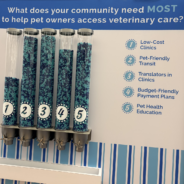
What we learned about access to care at Animal Care Expo 2026
At this year’s Animal Care Expo, Maddie’s Fund partnered with the Dave & Cheryl Duffield Foundation to present an interactive booth centered around access to veterinary and behavior care. As a result, hundreds of attendees shared their experiences, perspectives and ideas of both the challenges and opportunities facing animal well-being organizations across the country. Survey note: These responses were collected from Animal Care Expo 2026 attendees who chose to participate and are intended to provide a snapshot of perspectives...
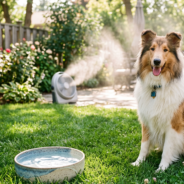
Heatstroke in Dogs: Approaches to Summer Safety
When summer temperatures rise, one of the biggest threats to your dog’s health is heatstroke. This is a life-threatening emergency that needs your full attention. Let’s explore how you can support your dog’s well-being during hot weather. Here’s what you need to know. Understanding the Risk Dogs don’t sweat the way humans do. They rely mostly on panting to cool down, which makes them much more vulnerable to overheating. Brachycephalic breeds — like Pugs, Bulldogs, and Boxers — are especially...

Maddie’s Weekly Roundup: Dr. Lila Miller Shelter Medicine Day, Community Conversations is moving and more!
Happy Monday! Below is a brief roundup of resources added over the past week. July 10 was Dr. Lila Miller Shelter Medicine Day!July 10 is Dr. Lila Miller Shelter Medicine Day. Dr. Miller is known for her trailblazing leadership and purposeful dedication to the field of veterinary shelter medicine. If you are one of the millions of people that have adopted a dog or cat over the last three decades, you have Dr. Miller to thank.… Learn More Weekly Community ConversationsWe’re taking July off. See you Wednesday, August 5!Register now...