








When Allergies Lead to Ear Problems in Dogs — Scratching and Infections
You’ve probably noticed your canine friend scratching their ears from time to time. While occasional scratching is normal, frequent ear scratching can signal a bigger problem that needs your attention. The Allergy Connection When veterinary experts are asked about the main cause of ear scratching in dogs, the answer is clear: “Allergies. Allergies. Allergies!” This isn’t an exaggeration – allergies are truly the number one reason dogs develop itchy ears. Here’s how it works: When your dog is allergic to...
Diabetes Mellitus in Dogs and Cats
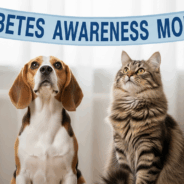
November is Pet Diabetes Month, making it the perfect time to learn about this serious but manageable condition affecting our furry family members. Understanding diabetes can help you spot early warning signs and give your dog or cat the best possible care. Diabetes in Dogs and Cats Diabetes mellitus happens when your furry companion’s body cannot properly control blood sugar levels. This occurs because the pancreas doesn’t make enough insulin, or the body doesn’t respond to insulin correctly. Insulin is like a key that...

7 Ways to Prevent Skin Problems in Dogs
Skin problems in dogs are no match for regular grooming with natural botanical healing and grooming products. Check out these seven tips and say hello to skin and coat health! One of the most common challenges for dogs is skin and hair coat problems, like itching, hot spots, redness, dandruff, irritation, and hair coat loss. Allergies, infections, stress, nutrition, and other things can wreak havoc on a dog’s body. To address skin problems in dogs, you must treat the root cause and adopt a regular grooming routine. Today, we’ll...

Learn all about the Animal Welfare Assessment Grid
Join us on November 13 at 12PM PT/3PM ET for the next webcast in the Maddie’s® Insights series, “The Animal Welfare Assessment Grid.” This one hour event will be presented by Drs. Sarah Wolfensohn and Rachel Malkani. They will introduce you to an cloud-based tool designed to track and visualize the well-being and lifetime experiences of animals. The Animal Welfare Assessment Grid (AWAG) turns complex well-being data into compelling visual evidence, making it easier to communicate with decision makers, support strategies...

How to help a newly adopted senior dog adjust
Discover ways to help your senior dog adjust to his new home with tips on building trust, easing anxiety, creating routines, and supporting age-related needs. Adopting an older dog is very rewarding. Whether his soulful eyes or gentle energy drew you in, you’re giving him the chance to live out his life surrounded by love. After you bring him home, the next step is to adapt him to his new circumstances. Let’s explore how to help a newly adopted senior dog adjust and what this transition involves. You’ll also learn how to...

Keeping Your Dog Safe and Healthy During Cold Weather
It’s quite important for dog parents to understand how cold weather can affect their furry family members. Just like people, dogs can face serious health risks when temperatures drop. Being aware of these concerns and taking the right steps can help keep your dog safe all winter long. Who’s Most at Risk? Not all dogs handle cold weather the same way. Small dogs have a harder time staying warm than larger breeds because they lose body heat faster. Puppies are especially vulnerable since they can’t control their body...

Maddie’s Weekly Roundup: Preventing lost cats, Foster 50 Challenge and more!
Happy Monday! Below is a brief roundup of resources added over the past week. The September Weekly Community Conversations grant giveaway winners are…Earlier this month, Maddie’s Fund® gave four organizations at random a $2,500 grant for attending the September Weekly Community Conversations for a total of $10,000 in grants. In fact, the call was jam-packed with prizes. Join us in congratulating the four people who won a grant for their organization: Kris Holland, IndyHumane (Indianapolis, IN)...
![Nose smart – how [your dog’s] nose knows](https://www.ocshelterpets.com/wp-content/uploads/2025/11/nose-smart-how-your-dogs-nose-knows.png)
Nose smart – how [your dog’s] nose knows
Your dog’s sense of smell is nothing short of a superpower. The following book excerpt offers fascinating details on how canine olfaction works and why our dogs’ odor-detecting abilities are so amazingly sharp. If you pay close attention to your dog’s nose when he’s intent on a scent, you’ll see it do that cute little wiggle and hear the staccato beats of its work. As a tool, a dog’s nose is a triumph of natural selection: a complex set of cogs and wheels we rarely think about. When a dog inhales, the...
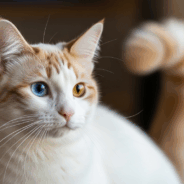
Cat Breed Health Guide: Common Conditions by Breed
Understanding which health conditions your feline friend might be prone to can help you provide better care. While any cat can develop health issues, certain breeds have higher risks for specific conditions due to their genetics and physical traits. Persian and Flat-Faced Breeds Persian cats and other flat-faced breeds like Himalayans often struggle with breathing problems. Their shortened airways can make breathing difficult, especially during hot weather or exercise. These cats also commonly develop eye problems due to their facial...

What Is Animal Chiropractic—and How Does It Work?
For many dog owners, the idea of chiropractic care for animals sounds either surprising or downright strange. Isn’t chiropractic something for people with bad backs? What does it have to do with dogs? As it turns out, a lot. Animal chiropractic is a growing field that focuses on one critical principle: the connection between the spine and the nervous system. When that connection is free and functional, your dog’s body works better. When it’s restricted, the result can be pain, stiffness, behavioral changes, and even organ...