









How to prevent a dog from chasing animals
Manage your dog’s prey drive with positive training, impulse control, and reliable recall. Does your dog almost pull you off your feet every time she sees a squirrel? All dogs are predators and their prey drive is natural. You cannot entirely eliminate this behavior. But you can use positive training methods to better manage your dog’s hunting instinct. Read on for tips on how to prevent a dog from chasing animals. What does “prey drive” mean? Prey drive is a dog’s instinct to chase, capture and kill to...

Cats & Tai Chi: The Ancient Art Your Feline Already Practices
Believe it or not, your cat may already be a Tai Chi master! Tai Chi is an ancient Chinese practice focused on slow, mindful movements, balance, and calm breathing. Cats have been doing this naturally for thousands of years. 1. The Morning Stretch Watch your cat wake up and stretch every single limb with slow, deliberate purpose. This mirrors the flowing warm-up movements in Tai Chi perfectly. 2. The Stalking Walk When your cat creeps slowly across the floor — heel to toe, eyes focused — that is pure Tai Chi footwork....

Disaster response for animal control
We know that animals are part of every community, and all communities are subject to disaster at some point. Animal Control Officers (ACOs) play a vital role in disaster response, often serving as the first line of support for displaced animals and impacted communities. Our new online self-paced course, “Disaster Response for Animal Control,” provides the knowledge and tools necessary to respond effectively to emergencies while prioritizing the safety of both people and animals. After successfully completing this course you will...

Essential oils for Lyme disease and tick-borne infections in dogs
Tick-borne diseases such as Lyme are on the rise. Find out how high-quality essential oils can help support your dog’s immunity, relieve pain, and protect his vital organs. Now that spring’s here, it’s time to think about protecting our dogs from the surge in ticks and the diseases they carry. Essential oils for Lyme disease and tick-borne infections in dogs are gaining attention as a complementary approach to supporting canine health during tick season. Tick-borne diseases are proliferating Diseases carried by...

Homeopathy as a Complementary Cancer Support Tool for Dogs
When a beloved dog receives a cancer diagnosis, it can feel overwhelming. Many dog parents find themselves searching for every possible way to support their furry family member through treatment. One area to be explored is homeopathy — a system of natural medicine that uses highly diluted substances to support the body’s ability to heal itself. What Is Homeopathy? Homeopathy is based on the idea that “like cures like.” This means that a substance that causes symptoms in a healthy body might help relieve those same...

The healing power of touch: mindful grooming as canine massage
Mindful grooming transforms routine care into therapeutic canine massage. It eases stress, supports physical comfort, and deepens the bond between you and your dog. For many dog parents, grooming is a routine task. But when you approach it with intention, grooming becomes far more meaningful. Mindful grooming as canine massage becomes a therapeutic ritual. It nurtures your dog’s emotional well-being, supports physical comfort, and deepens your bond. In grooming salons, veterinary clinics, and integrative wellness practices,...
5 Useful Herbs for Recurring Hot Spots in Dogs
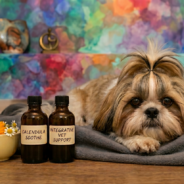
If your dog seems to always have a red, raw, irritated patch of skin that just won’t stay away, you’re not alone. Recurring hot spots — also called acute moist dermatitis — are one of the most frustrating skin conditions dog parents deal with. While conventional treatments work well for many dogs, some people are turning to herbal medicine as a complementary approach to help manage flare-ups and support skin health. Here’s what you need to know. What Are Hot Spots, Exactly? Hot spots are moist, inflamed areas of...

Are retractable dog leashes safe?
Understand the risks, common injuries, and recommended safety tips before using a retractable leash for your dog. When walking your dog, it’s important to use the right gear for safety and comfort. A lot of people opt for retractable leashes. But are retractable dog leashes safe? Read on for a comprehensive look at the problems surrounding this leash type, along with tips for safe use. How retractable leashes work Retractable leashes have a spring-loaded mechanism that allows the leash to extend and retract. This gives dogs...

Fourth of July Fireworks: Keeping Your Dog or Cat Safe This Holiday
The Fourth of July is a time for celebration, but for many dogs and cats, it can be one of the most frightening nights of the year. The loud bangs, bright flashes, and strange smells of fireworks can cause real fear and anxiety. Here is what you need to know — and what you can do about it. Why Fireworks Are So Scary Dogs and cats have much sharper hearing than humans. What sounds like a fun celebration to us can feel overwhelming and threatening to them. Some animals develop a true phobia, meaning their fear goes beyond just being...

Maddie’s Weekly Roundup: Behavior assessments in shelters, veterinary guides from Open Door and more!
Happy Monday. Below is a brief roundup of resources added over the past week. Behavior Assessments in Shelters: Building Better Outcomes for DogsWe hope you can join our June Maddie’s® Monthly Behavior Connection webcast with Vanly Griffith, Dog Behavior Coordinator at SICSA in Dayton, OH. This call will be all about organizations developing a structured system to get to know the dogs in their care. Structured dog behavior assessments help shelters shift from reacting to behavior concerns after… Learn More 2 resources from...