









Brachycephalic dog health problems
Learn about common brachycephalic dog health problems — like breathing issues, allergies, and heat sensitivity — and how to care for your flat-faced pup. French Bulldogs, Pugs, and Boston Terriers have a lot in common. They have hearts of gold and some of the best personalities on earth. These breeds, and those like them, are truly our best friends. But they have something else in common. They’re brachycephalic, which means they’re prone to certain health issues. Let’s look at brachycephalic dog health problems,...
Join us for APA! Adoption Day at Four Hands
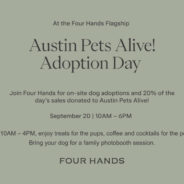
Sep 17, 2025 Join us for APA! Adoption Day by Four Hands Austin-based home furnishings leader partners with APA! to support local animals and donate 20% of event-day sales On Saturday, September 20, 2025 join Austin Pets Alive! at the Four Hands South Austin Flagship Showroom for a special day dedicated to saving lives. From 10 a.m. to 4 p.m., guests can stop by to meet adoptable dogs and cats from Austin Pets Alive!, snap a complimentary pet-and-family headshot, sip coffee from Luna Espresso, and treat their pups to goodies from local...

Ringworm, Not a Worm, and Other Common Fungal Infections in Dogs
Marvel and DC universes have various villains, similar to infections, which also come in different shapes, sizes, and abilities. Among these infectious supervillains, like bacteria and viruses, fungi have their own place—say Poison Ivy from Batman. Fungal infections are often more obstinate and difficult to treat than viral and bacterial infections. This is because fungi can form resistant spores that evade antifungal treatments, they grow more slowly than bacteria making treatment take longer, and they can invade deep tissues, hiding...
Why Should You Scoop the Poop?
Sep 16, 2025 We have been so grateful to receive the Scoop the Poop grant year over year and while the name may sound silly, it is serious business. This grant not only supports the lifesaving work that takes place at APA!, but gives us an opportunity to remind our community just how important it is to Scoop the Poop! Some may think it isn’t such a crime to let your pup do its business and leave that pile behind, but there are actually a number of reasons that leaving that doo-doo is a no-no! Pet waste left behind can spread harmful...

Why Your Dog Gets the Zoomies
Have you ever watched your dog suddenly get a wild look in their eyes, tuck their rear end low, and take off running like they’re being chased by invisible forces? If so, you’ve witnessed what dog parents lovingly call “the zoomies.” While it might look like your pup has lost their mind, this burst of energy is actually completely normal and has an official scientific name: Frenetic Random Activity Periods, or FRAPs. What Exactly Are Zoomies? Zoomies are sudden episodes where dogs run around at full speed, often in...

Signs your cat is in pain
Cats are masters at hiding discomfort. This guide breaks down subtle behavioral and physical signs your cat might show when he’s in pain. Cats are experts at concealing pain and discomfort. Their wild ancestors passed down this trait as a survival mechanism. But as our cats’ caretakers, we must learn to distinguish between subtle signs of pain and normal feline behavior. Knowing the signs your cat is in pain helps ensure his health, well-being, and quality of life. Behavioral changes that could signal pain in your cat When...

Ligament Injuries in Dogs
Ligament injuries are among the most common orthopedic problems in dogs, affecting their ability to run, jump, and play. Understanding these injuries can help you recognize the signs early and seek proper treatment. What Are Ligaments? Ligaments are tough bands of tissue that connect bones to other bones, providing stability to joints. Think of them as strong rubber bands that keep your dog’s joints working properly. When these ligaments become damaged, your dog’s joint stability is compromised, leading to pain and mobility...

Maddie’s Weekly Roundup: Custom development portals, webcasts and more!
Happy Monday! Below is a brief roundup of resources added over the past week. Don’t miss “The Human Side of Shelter Work: Building Compassion Satisfaction and Resilience (Part 1)”Working in animal shelters can be deeply meaningful and emotionally draining. That’s why our next Maddie’s® Monthly Behavior Webcast is so important. Join us on Thursday, September 25th at at 12PM PT/ 3PM ET for The Human Side of Shelter Work: Building Compassion Satisfaction and Resilience (Part 1). In this session, Valerie Bogie,...

How to improve senior dog mobility
Help your senior dog stay active and comfortable with six ways to improve her mobility. Explore everything from weight management to pain control and more. Dogs slow down as they age, just like us. But age itself isn’t a disease — it’s just a life stage. The good news? There’s a lot we can do to help our senior dogs stay mobile, comfortable, and happy. Here are six effective ways to improve senior dog mobility. Manage your dog’s weight If you do only one thing to support your senior dog, make it this: help...

The Alzheimer’s Disease of Cats: Feline Cognitive Dysfunction Syndrome
Feline Cognitive Dysfunction Syndrome (CDS) aka Feline Dementia affects many older cats, similar to Alzheimer’s disease in humans. Dementia is a general term for symptoms like memory loss and impaired thinking, while Alzheimer’s is a specific disease that causes dementia and is its most common form. Feline CDS is a brain disorder that leads to gradual cognitive decline. Knowing the signs of CDS and how to help your feline friend can significantly improve their quality of life. What Causes CDS? CDS occurs when harmful proteins,...