









Do dogs and cats have a dominant paw?
Find out if dogs and cats show left- or right-paw preferences, what it means, and simple ways to identify your best friend’s dominant paw. Do dogs and cats have a dominant paw? Just as we are right-handed or left-handed, dogs and cats can show preferences for using one paw over the other. Researchers call this fascinating behavior “laterality.” It’s more common in our four-legged friends than many realize. Paw preferences in dogs Research shows many dogs favor one paw over the other when performing certain tasks....

Understanding Selective IgA Deficiency in Dogs
If you’re caring for a dog, you’ve probably heard about common health issues like ear infections or allergies. But have you heard of Selective IgA Deficiency? This lesser-known immune system condition affects how your dog’s body fights off infections, and it’s important to understand what it means for your furry companion. What Is Selective IgA Deficiency? Selective IgA Deficiency is a condition where a dog’s immune system doesn’t make enough of a special protein called Immunoglobulin A, or IgA for short....
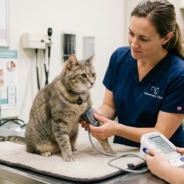
High Blood Pressure in Cats
High blood pressure, also called hypertension, is a serious health condition that affects many cats, especially as they grow older. Unfortunately, most people who care for cats don’t know this condition exists or how dangerous it can be. Learning about feline hypertension can help you protect your furry companion from its potentially devastating effects. What Is Feline Hypertension? Just like in humans, high blood pressure in cats means the force of blood pushing against artery walls is too strong. This puts extra strain on vital organs...

Creating a foster-centric medical clinic at your animal shelter
Ready to switch your animal shelter from a kennel-centric medical model to a foster-centric clinic that effectively supports animals living in foster homes? Don’t miss April’s Maddie’s Monthly Foster Connection, Creating a Foster-Centric Medical Clinic! The discussion takes place on Thursday, April 2 at 12PMPT/3PM ET. As more shelters place 50% or more of animals in foster care, clinics must adapt their infrastructure, staffing, communication and workflows to serve both people and pets. The discussion emphasizes guiding...

When Veterinarians Can’t Diagnose Your Dog or Cat’s Medical Condition
Having a sick dog or cat is stressful. When veterinarians can’t figure out what’s wrong, it can feel overwhelming and scary. You’re not alone in this situation, and there are steps you can take to help find answers for your furry family member. Don’t Give Up Hope First, take a deep breath. Some medical conditions are difficult to diagnose, even for experienced veterinarians. This doesn’t mean your companion animal can’t be helped. Medical mysteries happen, and sometimes it takes time, additional testing, or...

Maddie’s Weekly Roundup: Maddie’s Insights, continuing education credits and more!
Happy Monday. Below is a brief roundup of resources added over the past week. Fur-ever starts now: Supporting dogs and adopters’ post-adoptionMaddie’s® Insights is our ongoing webcast series with practical tips based on current research to help pets and people. Join us on April 16 at 12PMPT/3PM ET for Fur-ever starts now. Supporting dogs and adopters’ post-adoption. This is a program that looks at common health and behavior concerns in dogs after their adoption in the… Learn More Content approved for continuing...

Understanding Dog Bite Force and How to Handle a Bite
When it comes to bite force, dogs vary quite a bit depending on their size, breed, and jaw structure. Scientists measure bite force in pounds per square inch (PSI), which tells us how much pressure a dog’s jaw can apply. Larger breeds with broad heads and strong jaw muscles typically have more powerful bites. For example, breeds like German Shepherds can bite with around 238 PSI, while Rottweilers may reach up to 328 PSI. Pit Bulls measure around 235 PSI, and Mastiffs can exceed 500 PSI. On the other end, smaller breeds like Chihuahuas...
Natural Calming Treats for Cats
Does your feline friend seem stressed, anxious, or overly energetic? Many cats experience anxiety from various situations like vet visits, thunderstorms, moving to a new home, or changes in their daily routine. Fortunately, natural calming treats can help support your cat’s emotional wellbeing in a gentle, safe way. What Are Natural Calming Treats? Natural calming treats are specially formulated snacks that contain ingredients known to promote relaxation in cats. These treats work by supporting your cat’s natural ability to stay...

Fur-ever starts now: Supporting dogs and adopters’ post-adoption
Maddie’s® Insights is our ongoing webcast series with practical tips based on current research to help pets and people. Join us on April 16 at 12PMPT/3PM ET for Fur-ever starts now. Supporting dogs and adopters’ post-adoption. This is a program that looks at common health and behavior concerns in dogs after their adoption in the United Kingdom. Our speakers are Drs. Eleanor Jordan and Lauren Samet, both of Dogs Trust, a British animal well-being charity and humane society which specializes in the well-being of dogs. It is the...

Immune-boosting whole foods for dogs and cats
Support your dog or cat’s immune system with whole foods like mushrooms, oats, turmeric, and coconut — plus healthy, easy recipes to try. Whole foods help our dogs and cats live longer and healthier lives. They’re rich in essential nutrients, many of which, such as antioxidants, strengthen or support the immune system and help prevent disease. This article focuses on immune-boosting whole foods for dogs and cats, along with a selection of nutritious recipes to help you incorporate them into your best friend’s...