









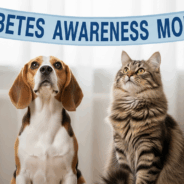
Diabetes Mellitus in Dogs and Cats
November is Pet Diabetes Month, making it the perfect time to learn about this serious but manageable condition affecting our furry family members. Understanding diabetes can help you spot early warning signs and give your dog or cat the best possible care. Diabetes in Dogs and Cats Diabetes mellitus happens when your furry companion’s body cannot properly control blood sugar levels. This occurs because the pancreas doesn’t make enough insulin, or the body doesn’t respond to insulin correctly. Insulin is like a key that...
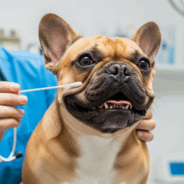
Merits of Canine DNA Testing: A Guide for Dog Parents
As a dog parent, you want to give your furry friend the best care possible. One helpful tool that’s becoming more popular is canine DNA testing. This simple test can provide valuable information about your dog’s health, breed makeup, and behavior traits. What is Canine DNA Testing? Canine DNA testing involves taking a cheek swab from your dog and sending it to a laboratory. Scientists then analyze your dog’s genetic material to learn about their background and health risks. Think of it as a family tree test for your pup, but...

Understanding Types of Seizures in Dogs
If you’ve ever witnessed your dog having a seizure, you know how scary and overwhelming it can be. As a caring dog parent, understanding the different types of seizures can help you better support your furry friend and communicate effectively with your veterinarian. What Exactly Is a Seizure? A seizure happens when there’s abnormal electrical activity in your dog’s brain. Think of it like a power surge that causes the brain’s normal functions to go haywire temporarily. These episodes can look very different depending...

A Fur Parent’s Guide to the Ultimate Adventure—Space Travel? Yes!
Space travel is getting a bit common. Well, not for the commoners yet. But while space travel with our furry friends might sound like science fiction, let’s imagine what it would take to keep our Fantastic Furs safe on the ultimate journey around Earth or to the Moon! Pre-Flight Health Checks Before any space adventure, your furry friends would need extensive health screenings. Just like human astronauts, dogs and cats would require perfect health to handle the stress of space travel. Your veterinarian would need to conduct thorough...

Ready Your Dog’s Immune System to Nip Cancer in the Bud
Dog parents want to do everything possible to keep their furry family members healthy. While we can’t prevent all health problems, we can take steps to support our dog’s immune system in its natural fight against cancer. Understanding Your Dog’s Natural Defense System Your dog’s immune system works around the clock, recognizing and destroying abnormal cells every day. A healthy immune system can often catch cancer cells before they become a problem. However, sometimes cancer cells multiply too quickly or hide from the...

The Alzheimer’s Disease of Cats: Feline Cognitive Dysfunction Syndrome
Feline Cognitive Dysfunction Syndrome (CDS) aka Feline Dementia affects many older cats, similar to Alzheimer’s disease in humans. Dementia is a general term for symptoms like memory loss and impaired thinking, while Alzheimer’s is a specific disease that causes dementia and is its most common form. Feline CDS is a brain disorder that leads to gradual cognitive decline. Knowing the signs of CDS and how to help your feline friend can significantly improve their quality of life. What Causes CDS? CDS occurs when harmful proteins,...

Helping Dogs and Cats Adjust to Vision Loss
Vision loss presents unique challenges for dogs and cats. Understanding the signs and managing the transition can greatly enhance their quality of life. This guide offers practical strategies to support furry friends experiencing vision changes. Recognizing Signs of Vision Loss Many animals adapt remarkably well to gradual vision loss. Subtle signs are often overlooked. Look for behaviors like hesitation during walks, difficulty catching treats, or confusion in familiar spaces. Sudden changes often manifest as disorientation or fear. If a...

Pica in Cats: Why It Matters
Pica describes the behavior where cats intentionally ingest non-food items. This troubling habit poses significant health risks. While some cats might accidentally swallow strange objects during play, persistent eating of inedible materials is alarming. Signs include vomiting, diarrhea, and loss of appetite. These symptoms often indicate gastrointestinal irritation or even blockage, requiring urgent attention. The Genetic Link Certain cat breeds, especially Oriental varieties like Siamese and Burmese, are more prone to pica. Genetics may...

Understanding Canine Immune-Mediated Hemolytic Anemia
Imagine the fear and confusion when your beloved companion shows signs of lethargy and weakness. Canine Immune-Mediated Hemolytic Anemia (IMHA) can strike without warning. This serious condition occurs when the immune system mistakenly attacks red blood cells, leading to dangerous anemia. Early recognition of symptoms like jaundice and dark urine becomes essential for timely intervention. Recognizing the Signs Watch for subtle changes in behavior. Symptoms of IMHA range from mild to severe. Lethargy, labored breathing, and pale gums signal a...

Natural Approaches Can Help Avoid Antibiotic Resistance in Dogs and Cats
As a caring companion, understanding the implications of antibiotic resistance in dogs and cats becomes crucial for safeguarding their health. This growing concern not only affects humans but also poses significant risks to our furry friends. The Threat of Antibiotic Resistance Antibiotic resistance occurs when bacteria evolve and become immune to medications designed to kill them. For dogs and cats, this means common infections can become harder to treat. Conditions like urinary tract infections, skin infections, and even respiratory...