










Resource guarding in shelter and rescue dogs
Resource guarding is a common behavior seen in dogs entering rescue and shelter environments, often arising from stress, uncertainty and past experiences around scarce or valuable resources. “Sharing Isn’t Easy: Resource Guarding in Rescue and Shelter Dogs” presentation explores the current research on resource guarding and how it applies to real-world rescue settings. Join us on Thursday, May 28 at 12PM PT/3PM ET for the latest in the Maddie’s® Monthly Behavior Connection series. Participants will learn how to...

Puppy intelligence development from 8 to 20 weeks
New research reveals how puppy intelligence develops and why different skills mature at different rates. Learn what you should know about raising a confident, well-adjusted dog. Puppies learn fast. They’re easier to housetrain than adult dogs and soon start responding to cues like “sit” or “down.” But did you know puppies develop multiple, distinct forms of intelligence during early brain growth? And that the best window for learning happens within a specific time frame? This article looks at the results of...

Building Your Knowledge Base to Help Your Canine or Cat Companion
As a dog or cat guardian, you want to provide the best care possible for your furry family member. Building a solid knowledge base about animal health and wellness is one of the most important steps you can take. Here’s how to construct your understanding to become a more informed and confident caregiver. The Basics Learn about your dog or cat’s specific breed characteristics, common health concerns, and normal behaviors. Different breeds have unique needs and tendencies. For example, large-breed dogs may be prone to joint issues,...

Maddie’s Weekly Roundup: Lessons from award-winning foster programs, grant winners and more!
Happy Monday. Below is a brief roundup of resources added over the past week. The April Weekly Community Conversations grant giveaway winners are…Earlier this week, Maddie’s Fund® gave four organizations at random a $2,500 grant for attending the April Weekly Community Conversations for a total of $10,000 in grants. Join us in congratulating the four people who won a grant for their organization: Debra DeVries, K9 Battle Buddies (Hinesville, GA) Carol Fleming, Upper Valley Humane Society (Enfield,… Learn More Foster...
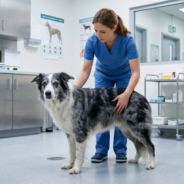
Posture Problems in Dogs
Just like humans, dogs can experience posture problems that may need correction! While we often think about posture as a human concern, our canine companions can also develop issues with how they hold and position their bodies. Understanding what causes these problems and how to address them can help keep your dog comfortable and healthy. Common Causes of Posture Problems Spinal Disc Issues One of the most frequent causes of posture problems in dogs is intervertebral disc disease (IVDD). This condition occurs when the cushioning discs...

Understanding Runny Nose in Cats: What Every Cat Guardian Should Know
If you’ve noticed your feline companion sniffling or dealing with nasal discharge, you’re not alone. A runny nose is one of the most common reasons cat guardians seek veterinary care. Let’s explore what causes this condition, how to prevent it, and the treatment options available. Common Causes A runny nose in cats can result from several different conditions. Viral and bacterial infections are among the most frequent culprits, often causing what veterinarians call upper respiratory infections. Other causes include fungal...

Tui Na for puppy socialization
Learn how Tui Na – also known as Chinese acupressure-massage — supports puppy bonding and socialization, helping your pup grow into a calm, confident, well-adjusted dog. Puppies are so much fun. They’re soft, cuddly, and a joy to watch as they discover the world. Raising a puppy to be a well-adjusted adult dog involves gentle bonding, positive training — and Tui Na for puppy socialization. This form of Chinese acupressure-massage enhances the benefits of everything else to create a happy, balanced canine...

Life-Stage Specific Vulnerabilities in Dogs
Just like humans, dogs face different health challenges as they move through various life stages. Understanding these vulnerabilities can help you provide the best care for your canine companion at every age. Puppyhood (Birth to 1 Year) Puppies have developing immune systems, making them especially vulnerable to infectious diseases. During this stage, your young dog faces increased risk from conditions like kennel cough, which spreads easily in social settings like training classes or dog parks. Vaccination is critical during puppyhood to...
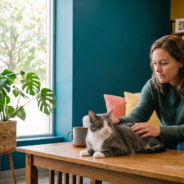
Lymphoma in Cats: What Cat Parents Should Know
Lymphoma is one of the most common cancers in cats. While conventional treatments like chemotherapy remain important, many cat caregivers are exploring holistic approaches that address the whole animal—body, mind, and spirit. This comprehensive approach works alongside traditional veterinary medicine to support your cat’s overall well-being during their cancer journey. What is Lymphoma? Lymphoma is a cancer that affects the lymphocytes, which are white blood cells that help fight infection. These cells are found throughout your...

Foster Spotlight: Lessons from Award-Winning Programs
The webcast recording from “Foster Spotlight: Lessons from Award-Winning Programs” is now available now on Maddie’s® University. This webcast focuses on winning strategies from the 2025 Foster 50 Challenge. Through a series of short videos and Q&A, you’ll learn how grant funding helped spark new ideas, expanded foster programs and created measurable change for communities and animals in need. You’ll walk away with practical strategies and inspiration that show what’s possible when shelters invest in...

Hot and Cold Therapy for Your Dog
Hot and cold therapy is a simple yet powerful tool that can help your canine companion feel better in many situations. This approach, also called thermotherapy, uses temperature to reduce pain, decrease swelling, and speed up healing. Understanding when to apply heat versus cold can make a real difference in your dog’s comfort and recovery. Cold Therapy: When and Why Cold therapy works by reducing blood flow to a specific area, which helps decrease inflammation and numb pain. You should use cold therapy for: Acute Injuries: If your dog...

Maddie’s Weekly Roundup: Recruiting foster caregivers, weeklong fostering and more!
Happy Monday. Below is a brief roundup of resources added over the past week. Does your animal organization need more foster caregivers? These 6 questions can helpHaving trouble finding foster caregivers? These six questions can help guide you toward a successful strategy. 1. Is it easy to become a foster caregiver at your rescue organization? Research shows that the organizations with the biggest foster programs have quick and easy onboarding processes. Organizations that require things like… Learn More Implications of...
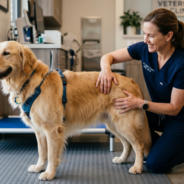
How Chiropractic Care Can Help Your Dog
If you’re looking for ways to support your dog’s health and comfort, chiropractic care can offer real benefits for your furry companion. This gentle approach focuses on the spine and nervous system, and it can help dogs dealing with various conditions. Canine Chiropractic Chiropractic care for dogs works much like it does for people. A trained veterinary chiropractor examines your dog’s spine and joints, looking for areas that aren’t moving correctly. These restricted areas can cause discomfort and affect how your dog...

Taurine Deficiency in Cats
If you’re caring for a cat, understanding taurine is one of the most important things you can learn. This essential amino acid plays a critical role in keeping your feline companion healthy, yet many cat parents aren’t aware of its importance. What Is Taurine and Why Do Cats Need It? Taurine is an amino acid that cats cannot produce in their bodies on their own. Unlike dogs and humans, who can make their own taurine, cats must get it directly from their food. This makes taurine what we call an “essential” nutrient for...

How to Cope with Travel Stress in Dogs
Traveling with your canine companion can be an exciting adventure, but it’s important to recognize that many dogs experience stress during trips. Whether you’re heading to the vet, visiting family, or embarking on a vacation, understanding how to naturally ease your dog’s travel anxiety can make the journey more comfortable for everyone involved. Understanding Travel Stress Dogs thrive on routine and familiarity. When their environment suddenly changes—new sounds, smells, and movements—many become anxious. Some...

Why Your Cat Has an Upset Stomach: Common Causes & Solutions
If you’ve noticed your feline friend isn’t feeling well, stomach troubles might be to blame. Understanding what causes cat stomach problems and knowing some gentler solutions can help your cat feel better faster. Common Causes of Stomach Problems Dietary Changes Cats have sensitive stomachs, and switching their food too quickly can lead to digestive upset. Even eating something they shouldn’t—like human food or plants—can cause vomiting or diarrhea. Hairballs When cats groom themselves, they swallow...

How to Litter Train a Kitten in 5 Easy Steps
Worried about accidents in the house with your new feline friend? Follow these 5 simple steps about how to litter train a kitten and discover the best modern litter boxes! Litter training a kitten is usually quick and straightforward. Cats naturally want to bury their waste, so most of them are happy to use the litter box. But it can be daunting if you’ve never had a kitten before. Luckily, with a few simple steps and the right equipment, your feline friend will be using the litter box like a pro in no time! Check out these five steps...

Implications of weeklong fostering and co-housing on shelter dog welfare
Meeting both the physical and psychological needs of dogs living in animal shelters is a challenging proposition. Negative environmental inputs, such as excessive noise, restrictive kenneling, and social isolation, contribute to compromised canine welfare. Human-animal interaction, such as a temporary stay in a caregiver’s home, has been shown to reduce dogs’ cortisol levels and increase their rest. What is not well understood, though, is if longer durations of foster care could extend those benefits. In addition, co-housing in...

Teething in Puppies: Natural Solutions to Make It Comfortable
Watching your puppy go through teething can be tough. Just like human babies, puppies experience discomfort when their baby teeth fall out and adult teeth come in. This natural process typically starts around 3-4 months of age and can last until they’re about 6-7 months old. The good news is that there are several natural ways to help your furry friend feel better during this challenging time. Understanding the Teething Process Puppies are born without teeth, then develop 28 baby teeth that eventually fall out to make room for 42 adult...

Maddie’s Weekly Roundup: Maddie’s Tail Wag, the Go-To Guide for Animal Services and more!
Happy Monday. Below is a brief roundup of resources added over the past week. Get this free activity book for kids, #ThanksToMaddie!Summer is just around the corner and we have just what you need to keep the kids entertained (for a little while anyways). Maddie’s® Tail Wag activity book is available for two different age groups and is designed to spark empathy, creativity and a love for animals. Children six and under will find these fun… Learn More Download the Go-To Guide for Animal Services today!We’re excited to...