








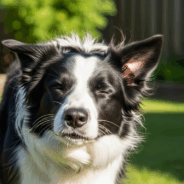
When Allergies Lead to Ear Problems in Dogs — Scratching and Infections
You’ve probably noticed your canine friend scratching their ears from time to time. While occasional scratching is normal, frequent ear scratching can signal a bigger problem that needs your attention. The Allergy Connection When veterinary experts are asked about the main cause of ear scratching in dogs, the answer is clear: “Allergies. Allergies. Allergies!” This isn’t an exaggeration – allergies are truly the number one reason dogs develop itchy ears. Here’s how it works: When your dog is allergic to...
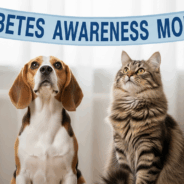
Diabetes Mellitus in Dogs and Cats
November is Pet Diabetes Month, making it the perfect time to learn about this serious but manageable condition affecting our furry family members. Understanding diabetes can help you spot early warning signs and give your dog or cat the best possible care. Diabetes in Dogs and Cats Diabetes mellitus happens when your furry companion’s body cannot properly control blood sugar levels. This occurs because the pancreas doesn’t make enough insulin, or the body doesn’t respond to insulin correctly. Insulin is like a key that...

7 Ways to Prevent Skin Problems in Dogs
Skin problems in dogs are no match for regular grooming with natural botanical healing and grooming products. Check out these seven tips and say hello to skin and coat health! One of the most common challenges for dogs is skin and hair coat problems, like itching, hot spots, redness, dandruff, irritation, and hair coat loss. Allergies, infections, stress, nutrition, and other things can wreak havoc on a dog’s body. To address skin problems in dogs, you must treat the root cause and adopt a regular grooming routine. Today, we’ll...

Learn all about the Animal Welfare Assessment Grid
Join us on November 13 at 12PM PT/3PM ET for the next webcast in the Maddie’s® Insights series, “The Animal Welfare Assessment Grid.” This one hour event will be presented by Drs. Sarah Wolfensohn and Rachel Malkani. They will introduce you to an cloud-based tool designed to track and visualize the well-being and lifetime experiences of animals. The Animal Welfare Assessment Grid (AWAG) turns complex well-being data into compelling visual evidence, making it easier to communicate with decision makers, support strategies...

How to help a newly adopted senior dog adjust
Discover ways to help your senior dog adjust to his new home with tips on building trust, easing anxiety, creating routines, and supporting age-related needs. Adopting an older dog is very rewarding. Whether his soulful eyes or gentle energy drew you in, you’re giving him the chance to live out his life surrounded by love. After you bring him home, the next step is to adapt him to his new circumstances. Let’s explore how to help a newly adopted senior dog adjust and what this transition involves. You’ll also learn how to...

Keeping Your Dog Safe and Healthy During Cold Weather
It’s quite important for dog parents to understand how cold weather can affect their furry family members. Just like people, dogs can face serious health risks when temperatures drop. Being aware of these concerns and taking the right steps can help keep your dog safe all winter long. Who’s Most at Risk? Not all dogs handle cold weather the same way. Small dogs have a harder time staying warm than larger breeds because they lose body heat faster. Puppies are especially vulnerable since they can’t control their body...

Maddie’s Weekly Roundup: Preventing lost cats, Foster 50 Challenge and more!
Happy Monday! Below is a brief roundup of resources added over the past week. The September Weekly Community Conversations grant giveaway winners are…Earlier this month, Maddie’s Fund® gave four organizations at random a $2,500 grant for attending the September Weekly Community Conversations for a total of $10,000 in grants. In fact, the call was jam-packed with prizes. Join us in congratulating the four people who won a grant for their organization: Kris Holland, IndyHumane (Indianapolis, IN)...
![Nose smart – how [your dog’s] nose knows](https://www.ocshelterpets.com/wp-content/uploads/2025/11/nose-smart-how-your-dogs-nose-knows.png)
Nose smart – how [your dog’s] nose knows
Your dog’s sense of smell is nothing short of a superpower. The following book excerpt offers fascinating details on how canine olfaction works and why our dogs’ odor-detecting abilities are so amazingly sharp. If you pay close attention to your dog’s nose when he’s intent on a scent, you’ll see it do that cute little wiggle and hear the staccato beats of its work. As a tool, a dog’s nose is a triumph of natural selection: a complex set of cogs and wheels we rarely think about. When a dog inhales, the...
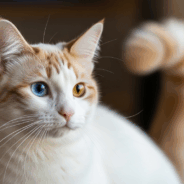
Cat Breed Health Guide: Common Conditions by Breed
Understanding which health conditions your feline friend might be prone to can help you provide better care. While any cat can develop health issues, certain breeds have higher risks for specific conditions due to their genetics and physical traits. Persian and Flat-Faced Breeds Persian cats and other flat-faced breeds like Himalayans often struggle with breathing problems. Their shortened airways can make breathing difficult, especially during hot weather or exercise. These cats also commonly develop eye problems due to their facial...

What Is Animal Chiropractic—and How Does It Work?
For many dog owners, the idea of chiropractic care for animals sounds either surprising or downright strange. Isn’t chiropractic something for people with bad backs? What does it have to do with dogs? As it turns out, a lot. Animal chiropractic is a growing field that focuses on one critical principle: the connection between the spine and the nervous system. When that connection is free and functional, your dog’s body works better. When it’s restricted, the result can be pain, stiffness, behavioral changes, and even organ...
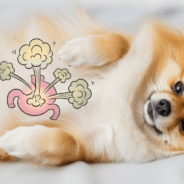
Simple Solutions for Mild Digestive Issues in Dogs
When your dog shows signs of mild digestive upset like loose stools, slight nausea, or a temporary loss of appetite, you want to help them feel better quickly. The good news is that many mild stomach issues can be managed at home with simple, natural approaches. Mild Digestive Upsets Mild digestive problems in dogs are quite common and often resolve on their own within a day or two. These issues can happen for many reasons, including eating something they shouldn’t have, switching foods too quickly, stress, or even just having a...

What Does It Mean When a Cat Rubs Against You?
If you live with a cat, you’ve probably experienced that familiar, heartwarming moment: your cat strolls up, rubs their head or body against your leg, and maybe even lets out a soft purr. It feels affectionate — and it often is — but there’s more to this behavior than simple love. Cats are complex communicators. When they rub against you, they’re using body language and scent to send a message. Understanding what it means can strengthen your bond and help you respond in ways your cat appreciates. Let’s...

Upbringing influences dog parenting styles
The way you raise your dog often mirrors the care you received in childhood. Have you ever wondered why you treat your dog the way you do? The way you nurture, control, train, or spoil your four-legged friend often reflects your childhood experiences. It mirrors the way your parents raised you. Recent research involving nearly 400 dog caregivers reveals a fascinating truth: upbringing influences dog parenting styles. The cycle of permissive parenting The study found a strong pattern. Those raised with a permissive style often raise...

Decaffeinated Green Tea Extract for Dogs
Green tea extract comes from the leaves of the Camellia sinensis plant. It contains powerful compounds called antioxidants, particularly one called EGCG (epigallocatechin gallate). These antioxidants help protect cells from damage caused by harmful molecules in the body. Potential Benefits for Dogs Antioxidant Protection Green tea extract may help protect your dog’s cells from damage. This cellular protection could support overall health and may help slow down some effects of aging. The antioxidants work like tiny shields, defending...

What a Lump Near Your Dog’s Bottom Could Mean
Finding a lump near your dog’s bottom can be scary. You might notice it while bathing, grooming, or when your dog starts scooting or licking more than usual. It’s natural to worry, but don’t panic — many lumps are harmless or easy to treat. Still, some can indicate infection, inflammation, or even cancer, so getting it checked early is always the best move. This article walks you through the most common reasons dogs develop lumps near their bottoms, what symptoms to watch for, and what steps to take next. First: Stay...

Common Cat Issues That May Benefit from Music
Cat parents are always looking for ways to help their furry companions feel their best. Music therapy is becoming a popular tool that many pet owners are discovering can help with various cat health and behavior issues. Let’s explore how different types of music might benefit your cat. What is Music Therapy for Cats? Music therapy uses specially designed sounds and melodies to create a calming environment for cats. Unlike human music, cat-specific music often includes frequencies and tempos that match how cats naturally communicate and...
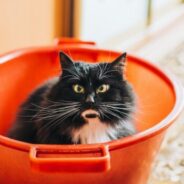
How to prevent lost cats
After learning how to keep dogs safe with our “Lost Dog Prevention” course, now you can do the same for cats! Bringing a new cat home is an exciting moment—but it can also be overwhelming for your new feline friend. New sights, sounds and smells can cause even the calmest cat to panic or try to escape. Preparation is key to helping them feel safe and preventing a “lost cat” situation. In “Lost Cat Prevention,” a new, free self-paced course on Maddie’s® University, expert Kimberley...

What Does It Mean When a Cat Licks You?
If you’re a cat owner, you’ve probably experienced it: your feline friend gently licking your hand, your hair, or even your face. It’s cute — and maybe a little surprising. But what does it actually mean when a cat licks you? Cats use licking as one of their primary ways to communicate. While dogs lick mostly out of affection, cats do it for several complex reasons — from social bonding to grooming instincts and emotional reassurance. Understanding the meaning behind this behavior helps strengthen your bond...

How to Bathe a Large Dog at Home
Bathing a large dog can feel like a workout — especially if your dog weighs more than you do or thinks bath time is a game of hide-and-seek. Between finding a big enough space, managing their strength, and keeping your bathroom from turning into a splash zone, it’s easy to see why many owners put it off. But bathing your big dog doesn’t have to be a messy or stressful experience. With the right preparation, tools, and approach, you can make it an enjoyable routine that keeps your dog’s skin and coat healthy — all...

Are Big Dogs Really a Good Crime Deterrent?
For centuries, humans have relied on dogs for protection — from guarding livestock to keeping homes safe. Even today, the sight of a large dog behind a fence or standing by its owner often sends a clear message: “Don’t try anything.” But does that perception hold true in reality? Are big dogs genuinely effective crime deterrents, or is it more about appearance than ability? Let’s break down the science, psychology, and reality behind this enduring belief. Why People Believe Big Dogs Deter Crime The image of a...