










Heart disease in cats: symptoms, causes, diagnosis and treatment
Spot heart disease in cats by recognizing breathing problems, lethargy, heart murmurs, and other warning signs. Read about causes, testing, and treatment options. Heart disease in cats is more common than many realize, especially as our kitties age. Some cats show obvious symptoms such as breathing difficulties or lethargy. But others may show no signs at all until the condition becomes serious. From cardiomyopathy to taurine deficiency, several factors can affect feline heart health. Knowing what to watch for, and getting an early...
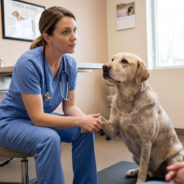
How Cortisol Affects Your Dog’s Wellbeing
You’ve probably heard the word “cortisol” before. But what exactly is it, and why does it matter for your dog’s health? Here’s a simple breakdown of everything you need to know. What Is Cortisol? Cortisol is a hormone made by the adrenal glands, which are two small glands that sit near the kidneys. It is often called the “stress hormone” because the body releases it during stressful situations. However, cortisol does much more than just respond to stress. It also helps control blood sugar, manage...

Managing Pet Anxiety with Chakra Healing
The world’s leading animal communicator, Joan Ranquet, is helping dog and cat parents learn about managing pet anxiety with chakra healing! Anxiety in dogs and cats can appear as fear, reactivity, excessive vocalization, hiding, or difficulty relaxing. Not only can anxiety impact your companion animal’s quality of life, but chronic stress can also impact their behavior, immune system, sleep habits, life expectancy, digestion, and so much more. While many factors can contribute to stress, a holistic approach considers the...
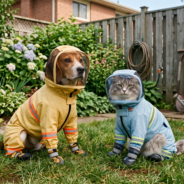
Keeping Your Dog and Cat Safe from Lawn Care Chemicals
In 1962, marine biologist and nature writer Rachel Carson published her groundbreaking book, Silent Spring, which changed the way the world thought about pesticides and chemical use in our environment. Carson’s careful research revealed how widely used chemicals — particularly pesticides — were quietly making their way through ecosystems, harming wildlife, and entering the food chain in ways most people never imagined. Her work sparked a global conversation about environmental responsibility that continues to...

How to protect dog paws from hot pavement
This summer, guard your dog’s paws against hot asphalt and pavement. Use simple safety tips, prevention methods, and treatment advice for burns and injuries. When sidewalks and asphalt heat up in the sun, summer walks can harm your dog’s feet. Protecting their paws from hot pavement is essential for preventing burns and blisters. A few simple precautions and quick treatment steps can keep your dog safe, comfortable, and active during the hottest months of the year. Prevention tactics to keep your dog’s paws safe Time...

What Puts Your Dog at Risk for Diarrhea
If you’ve ever dealt with a dog who has an upset stomach, you know how stressful it can be. Diarrhea is one of the most common health issues dogs face, but the good news is that many cases are preventable. Here’s what you need to know about the risks and some holistic ways to help keep your dog’s digestive system running smoothly. Common Risk Factors for Diarrhea in Dogs Diet Changes and Food Choices One of the biggest triggers for diarrhea is switching foods too quickly. A dog’s digestive system needs time to...
Understanding the Link Between Gut Health and Pet Wellness
Gut health and pet wellness are deeply connected, with a balanced microbiome supporting digestion, immunity, skin and coat health, and overall vitality in dogs and cats. There’s an increasing focus on digestive health in the pet space, and for good reason. The digestive tract isn’t just a place where food is broken down. Rather, it serves as a vital link between nutrient absorption, immune health, and whole-body wellness. A healthy digestive system relies on the gut microbiome and plays a central role in overall pet health,...
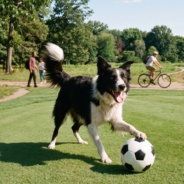
5 Tips to Keep Your Dog Biologically Younger Than Their Age
We all wish our dogs could stay young forever. While we can’t stop the clock, science shows that the choices we make every day can actually slow down how our dogs age on the inside. Here’s what you need to know to help your dog live a longer, healthier, and more youthful life. 1. Keep Them Lean One of the most powerful things you can do for your dog is maintain a healthy body weight. A major study published in the Journal of Veterinary Internal Medicine looked at over 57,000 dogs and found that dogs who maintained a...

Senior dog chiropractic care
Learn how chiropractic care can improve mobility, reduce stiffness, and help aging dogs stay active, comfortable, and happy. As dogs enter their senior years, their bodies begin to slow down. Joints get stiffer, muscles weaken, and everyday movements — once effortless — become more challenging. You might notice your dog hesitating before jumping into the car, or struggling to get up after a nap. Many dog parents chalk this up to “just getting old,” but aging doesn’t have to mean discomfort or decline. With...

Aquatic Foods for Dogs and Cats
If you share your home with a dog or cat, you may have wondered whether seafood or other aquatic food is a good addition to their diet. The short answer is — yes, some aquatic food can be a healthy choice! But not all is equal. Here’s what you need to know before you start serving up a seafood feast or aquatic cuisine for your furry family member. Why Aquatic Food Can Be a Great Choice Aquatic food is packed with omega-3 fatty acids, specifically EPA (eicosapentaenoic acid) and DHA (docosahexaenoic acid). These are long-chain...