










Drooling in Cats: What is Normal and Abnormal
If you’ve noticed your feline companion drooling, you might be wondering whether this is normal or a cause for concern. While drooling is common in dogs, it’s less typical in cats, making it important for cat parents to understand when this behavior might signal a problem. When Is Drooling Normal? Some cats do drool in certain situations, and this can be perfectly normal. You might notice a small amount of drooling when your cat is extremely relaxed, purring, or kneading. This often happens during petting sessions or when your cat...

8 signs your dog needs a chiropractor
Is your dog acting “off?” Discover eight subtle signs they may be out of alignment — and how canine chiropractic care can help restore their health and happiness. As dog lovers, we pride ourselves on knowing our best friends inside and out. But when it comes to identifying physical discomfort, we’re often one step behind. Subtle, slow-building issues are the hardest to notice. Dogs don’t always limp when they’re hurting. They don’t always yelp when something’s out of place. In fact, dogs are...

New resource center highlights pets and mental health benefits
This online hub shines a spotlight on how dogs, cats, and other companion animals support and strengthen our mental and emotional well-being. Anyone who shares their life with a dog or cat understands something about pets and mental health benefits. They know how animals positively affect our well-being in a multitude of ways. Dogs and cats give us unconditional love. They help us through the ups and downs of life with their steadfast loyalty and affection. The Human Animal Bond Research Institute (HABRI) and Mental Health America (MHA)...

What Is Pillow Foot in Cats?
If you’ve noticed your cat’s paw pads looking swollen and soft like little pillows, they might have a condition called plasma cell pododermatitis, commonly known as pillow foot. This rare foot condition can be concerning for those caring for cats, but understanding it is the first step toward helping your feline companion. What Is Pillow Foot? Pillow foot is an uncommon condition where a cat’s paw pads become soft, swollen, and squishy. The medical term is feline plasma cell pododermatitis. The condition happens when special...

Discover the Mysteries of the Root Chakra and How It Influences Pet Behavior!
Join renowned animal communicator Joan Ranquet on a journey to uncover the secrets of the root chakra and its impact on pet behavior. Training, positive reinforcement, and increased activity and stimulation can help you manage unwanted or unhealthy behaviors in dogs and cats. And while these are crucial components, there’s often an important piece missing: chakra care. Animals have chakras just like humans, and when they’re unbalanced or blocked, it can lead to mental, physical, emotional, spiritual, sexual, behavioral, and...

Cardiomyopathy in Cats: What Cat Parents Should Know
Cardiomyopathy is a serious heart disease that affects many cats. As a cat parent, understanding this condition can help you recognize warning signs and take steps to protect your feline companion’s health. What is Cardiomyopathy? Cardiomyopathy is a disease of the heart muscle that affects how well the heart pumps blood. In cats, there are different types, but the most common form is hypertrophic cardiomyopathy, where the heart walls become abnormally thick. Another type is dilated cardiomyopathy, where the heart chambers stretch out...
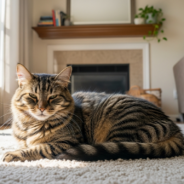
Lower Urinary Tract Disease in Cats Is More Common Than You Think
If you share your home with a cat, you need to know about lower urinary tract disease. This condition affects cats far more often than many people realize, and recognizing the signs early can make a significant difference in your feline companion’s health and comfort. What Is Lower Urinary Tract Disease? Lower urinary tract disease (LUTD) refers to a group of conditions that affect a cat’s bladder and urethra (the tube that carries urine from the bladder out of the body). One of the most common forms is idiopathic cystitis, which...

The 4 Herbal Properties of Ashwagandha: Supporting Modern Pet Health with an Ancient Herb
Discover the 4 key herbal properties of ashwagandha and how KSM-66 supports calmness, balance, longevity, and well-being. Ayurvedic medicine has used ashwagandha for thousands of years for its powerful healing properties. Today, modern research continues to validate these traditional uses. Scientists are studying its properties as an adaptogen, nervine tonic, rejuvenative, and antioxidant. These actions contribute to wide-ranging physical and mental health benefits. They also explain why ashwagandha is so beneficial for dogs and cats. Since...

Ear Tumors in Cats
If you’ve noticed an unusual lump or bump in your cat’s ear, you might be worried about the possibility of a tumor. While ear tumors in cats aren’t extremely common, it’s important to understand what they are and what signs to watch for. What Are Ear Tumors? Ear tumors are abnormal growths that can develop in different parts of your cat’s ear, including the ear canal, the inner ear flap (called the pinna), or the surrounding tissue. These growths can be either benign (non-cancerous) or malignant (cancerous)....

How to Tackle Feline Food Fussiness
Does your cat turn up their nose at mealtime? You’re not alone. Many cat parents face the challenge of feeding a finicky feline. Understanding why cats can be selective eaters and learning practical strategies can make mealtimes less stressful for everyone in your household. Why Cats Can Be Choosy Eaters Cats have evolved as obligate carnivores, meaning their bodies are designed to eat meat. They possess fewer taste buds than humans and dogs, but they’re extremely sensitive to texture, temperature, and freshness. Your feline...