










Heartworms in Cats: What Every Cat Parent Should Know
You might think heartworms only affect dogs. But here’s an important fact: cats can get heartworms too. While it’s less common than in dogs, heartworm disease can be serious for our feline friends. Let’s explore what you need to know to keep your cat safe. What Are Heartworms? Heartworms are parasites caused by Dirofilaria immitis. These worms can grow quite large – males reach 5-6 inches and females can grow 10-12 inches long. They live in the heart and lungs, which is why they’re so dangerous. How Do Cats...

High-quality kibble for dogs and cats
Is kibble good for dogs and cats? Understand the difference between low-quality and premium dry pet food, plus tips for choosing healthy, nutrient-rich options. Dry pet food, or kibble, has long been a go-to diet for many dogs and cats. It’s affordable, long-lasting, and easy to serve — just measure, scoop, and pour. No wonder a 2024 Nextin Research study found that over half of us choose it for our animals. The question is, is kibble good for dogs and cats? Or are we sacrificing their health and well-being for the sake of...

Telehealth for cats with arthritis
Telehealth may improve care for cats with arthritis by reducing clinic stress and offering personalized advice for home management and comfort. Arthritis is common in cats. It can affect up to 30% of felines under the age of ten, and 64% to 92% of those older than ten. Because taking a cat to the vet is often stressful and challenging, many may not be getting the care they need. However, telehealth for cats with arthritis may improve care, according to a recent study from the University of California, Davis. Researchers worked with 106...

Mental health in dogs and cats
Support your dog or cat’s mental and emotional well-being by recognizing behavioral issues, reducing stress, and promoting a happy, balanced life with enrichment, routine, and nutrition. Mental health in dogs and cats is just as important as their physical health. These intelligent, emotional beings experience stress, fear, joy, and sadness much as we do. Understanding your dog or cat’s mental and emotional needs helps you ensure she leads a happy, healthy, and fulfilling life. Signs of mental and emotional problems in dogs...

Are glandular supplements safe for cats?
Explore the pros and cons of glandulars for feline health — including liver, kidney, and thyroid support. Are glandular supplements safe for cats? Many tout glandulars for their potential health benefits, including supporting liver, kidney, and thyroid function. In certain cases, they can help heal damaged organs. But they’re not always recommended, so it’s important to understand both the pros and cons of glandular supplements for feline health. Defining and understanding glandulars “Glandulars” have a...
The #1 Ingredient to Help Fur Loss in Dogs and Cats
Managing fur loss in dogs and cats can include medications, diet changes, and other treatments. And sialic acid is a key component that should always be included in a care regimen for dogs and cats with alopecia. Abnormal fur loss in dogs and cats, also called alopecia, can have many underlying causes. From allergies to parasites to hormones and beyond, it’s important to get your companion animal to the veterinarian to get to the bottom of fur loss. Treatments vary depending on the cause, but sialic acid should always be part of your...
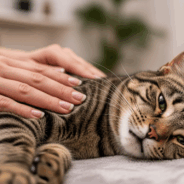
Physical Therapy and Rehabilitation to Help Your Feline Friend Move Better
Cat parents want their furry companions to live their best lives. When cats face mobility challenges due to injury, surgery, or conditions like arthritis, physical therapy and rehabilitation can make a huge difference in their comfort and quality of life. What is Feline Physical Therapy? Physical therapy for cats involves specific exercises and treatments designed to help them regain strength, improve mobility, and manage pain. Just like humans, cats can benefit from structured rehabilitation programs that help their bodies heal and function...

Supplements to help dogs and cats live longer
Support your aging dog or cat with targeted supplements that promote joint health, digestion, cognitive function, and overall vitality — helping them stay happy and active in their golden years. As our beloved dogs and cats get older, their health needs change and evolve. A nutritious diet, regular exercise, and veterinary care form the foundation of wellness. Supplements can add an extra layer of support, especially as animals age. Thoughtfully chosen supplements can ease age-related challenges and boost vitality. With the right...
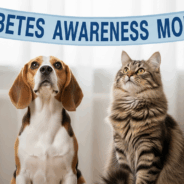
Diabetes Mellitus in Dogs and Cats
November is Pet Diabetes Month, making it the perfect time to learn about this serious but manageable condition affecting our furry family members. Understanding diabetes can help you spot early warning signs and give your dog or cat the best possible care. Diabetes in Dogs and Cats Diabetes mellitus happens when your furry companion’s body cannot properly control blood sugar levels. This occurs because the pancreas doesn’t make enough insulin, or the body doesn’t respond to insulin correctly. Insulin is like a key that...

How to help a newly adopted senior dog adjust
Discover ways to help your senior dog adjust to his new home with tips on building trust, easing anxiety, creating routines, and supporting age-related needs. Adopting an older dog is very rewarding. Whether his soulful eyes or gentle energy drew you in, you’re giving him the chance to live out his life surrounded by love. After you bring him home, the next step is to adapt him to his new circumstances. Let’s explore how to help a newly adopted senior dog adjust and what this transition involves. You’ll also learn how to...