









Red Light Therapy for Chronic Paw Licking in Dogs
TL;DR Red light therapy, or photobiomodulation, is a non-invasive, drug-free treatment that might reduce skin inflammation and aid healing in dogs that constantly lick their paws. Although research is still emerging, early findings are looking hopeful. Be sure to consult your vet before trying any new treatments. If you’ve ever seen your dog obsessively licking their paws, you know how worrying and frustrating it can be. That constant licking can lead to red, irritated skin, and even infections. In vet terms, it’s often called...
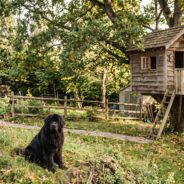
Common Heart Stenosis Problems in Dogs
TL;DR Heart stenosis in dogs refers to a narrowing within or around the heart, making blood flow difficult. There are different types, and many dogs are born with these issues. Early detection, regular vet check-ups, and proper care can significantly enhance your dog’s quality of life. What Is Heart Stenosis? Heart stenosis is basically a narrowing in the heart or its blood vessels, forcing the heart to pump harder to circulate blood throughout the body. For dogs, this condition is usually congenital, although some types can develop...

Natural and Alternative Approaches to High Blood Pressure in Older Cats
TL;DR High blood pressure, or hypertension, is a serious issue for older cats that can harm their eyes, kidneys, brain, and heart. While medication is often a must, there are natural ways to help manage the condition. Always collaborate with your vet before making any changes to your cat’s care. High blood pressure is one of the big health challenges for older cats. It’s often connected to kidney disease and hyperthyroidism, two pretty common issues in senior felines. If blood pressure stays high for too long, it can really do a...

5 Stress Reduction Techniques for Dogs
TL;DR Dogs can get stressed for a bunch of reasons, but the good news is there are practical ways to help them chill out. Creating routines, setting up safe spaces, using positive reinforcement, and consulting your vet can make a big difference. Why Does My Dog Get Stressed? It turns out, stress in dogs is more common than you might think. They can feel anxious due to loud noises, unfamiliar faces, being left alone, or even slight changes in their routine. If your dog seems stressed, you might notice signs like panting, shaking, barking too...
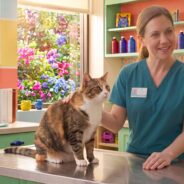
The Gut-Kidney Axis in Cats
TL;DR The gut and kidneys in cats are interconnected. Issues in one can affect the other, so keeping both healthy is key for your cat’s overall well-being. If you’re worried, don’t hesitate to reach out to your vet. What Is the Gut-Kidney Axis? You might see your cat’s gut and kidneys as two separate entities, but they’re actually in constant conversation. This connection is known as the gut-kidney axis. The gut hosts trillions of tiny organisms, like bacteria and fungi, which we call the gut microbiome. When...

How to Pick Natural Chews for Your Dog
Walk into almost any pet shop today and you’ll find shelves lined with natural chews. And it’s easy to understand the appeal: Many pet parents want products with simple ingredients, fewer artificial materials, and a longer lifespan. Natural chews often seem to tick all those boxes, but that doesn’t mean they’re all right for your dog. Understanding the differences between natural chews for your dog can help you make safer, more informed decisions. This blog will cover how to pick natural dog chews, including why...
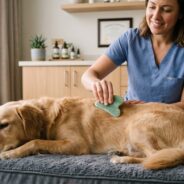
Gua Sha for Dogs
TL;DR Gua Sha is an ancient Chinese healing practice that involves gently scraping the skin with a smooth tool. It’s been adapted for dogs to help boost circulation, ease muscle tension, and promote overall wellness. While it can be a helpful complementary therapy, always check in with your vet before trying it on your dog. What Is Gua Sha? Gua Sha has roots that go back thousands of years in Traditional Chinese Medicine (TCM). The term roughly translates to “scraping sand.” Basically, it involves using a smooth-edged tool...

Dogs Dream Like Us Humans
There’s a moment every dog lover can relate to. Mr. Fido slumped on the floor, fast asleep. You can’t help but smile and wonder, what could you possibly be dreaming about, you good being!? Well, science has a lovely answer, one that brings us even closer to these furry friends who already feel like family. The Science Just like us, dogs go through different stages of sleep, including REM (rapid eye movement) sleep, the phase where vivid dreaming happens. When they enter REM, their brain activity resembles ours quite a bit: heart...
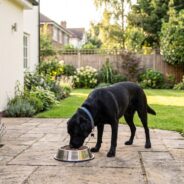
Vitamin and Mineral Optimization in Dogs
Vitamins and minerals are crucial for your dog’s health, impacting everything from their immune system to their bones. While most commercial dog foods cover these needs, certain meals or health issues might create gaps. Always consult your vet before adding any supplements. Why vitamins and minerals matter for your dog? You put in a lot of effort to keep your pup happy, walking them, giving belly rubs, and showering them with affection. But have you ever thought about what might be lacking in their food? Some vitamins and...
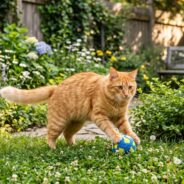
15 Natural Ways to Reduce Your Cat’s Risk of Infectious Diseases
TL;DR Keeping your cat healthy doesn’t always have to rely on medications. There are plenty of natural, everyday ways to boost your cat’s immune system and reduce their risk of getting sick. From what they eat to how you manage stress, this guide shares some simple but effective tips to help keep your furry friend safe from infectious diseases. Why a strong immune system matters? Infectious diseases can vary in severity for cats, ranging from mild annoyances to serious threats. Viruses, bacteria, fungi, and parasites are all risks...