










Antibiotic resistance in wildlife
A recent study suggests red foxes and several common bird species may serve as an early warning system for highly antibiotic-resistant bacteria in wildlife. Their movements could provide valuable insights for public health officials, veterinarians, and dog and cat parents. Researchers from the University of Parma in Italy discovered that wildlife now carry clinically important antibiotic resistance genes, even in areas where the animals have not been directly exposed to antibiotics. The findings highlight how antimicrobial resistance...

The Hidden Link Between Joint Health and Emotional Well-Being
As dogs and cats age, mobility issues can impact their health and quality of life. Learn about the connection between joint health and emotional well-being. When you think about joint health in dogs and cats, it’s easy to picture the physical side: stiffness, limping, or trouble climbing stairs. But joints do more than help an animal get from A to B. Movement helps them explore, play, interact with their families, and engage with the world around them, so comfortable motion is crucial for quality of life. Read on to learn more about the...

Spices That May Benefit Your Dog’s Health
Spices are dried parts of plants—such as seeds, fruits, roots, bark, or buds—used to flavor, color, or preserve food. Some common kitchen spices might actually offer some health perks for your dog. Let’s dive into a few that have caught attention, along with what you need to keep in mind before tossing them into your dog’s food. 1. Turmeric Turmeric is a big name in the world of canine wellness. Its main ingredient, curcumin, has some pretty well-known anti-inflammatory benefits. There’s even research suggesting...

How to support healthy fascia in dogs
Improve your dog’s mobility, comfort, and overall health by supporting healthy fascia with movement, stretching, and hands-on care. Is your dog slowing down, or not moving the way they used to? We may attribute these changes to age, arthritis, or muscle loss. But another important but often overlooked piece of the puzzle is fascia. Understanding fascia can change how you view your dog’s movement, body, and overall well-being. Here’s how to support healthy fascia in dogs. What is fascia? Fascia is a remarkable body-wide...

Homeopathy and Hyperthyroidism in Cats
The founder of homeopathy, Samuel Hahnemann, believed that to live in the enjoyment of healthy senses, a healthy mind, and a sound body is the most beautiful and richest gift of nature to man. It is only fair to say that health is the most beautiful and richest gift for animals as well. One of the common feline ailments that harm this gift is hyperthyroidism. It is usually seen in older cats, and treating it can be a cumbersome process for both you and your feline companion. For cat parents who are thinking about an alternative treatment...

6 Herbs To Support Your Dog’s Immune System
The immune system is one of your dog’s main defense systems. Supporting your dog’s immune system gives it the best possible chance to stay clear of dis-ease. The good news is you can do it naturally. There are herbs that have proven their worth for thousands of years around the world when it comes to supporting the immune system. What is the definition of a herb? A herb is a plant or plant part used for flavor, scent, or health benefits. It can include: Seeds or bark (milk thistle) Flowers (chamomile) Roots (ginger) Leaves...

Crystalluria in Cats
Have you ever heard your veterinarian mention the word crystalluria? Don’t worry — you’re not alone! Crystalluria simply means that crystals have been found in your cat’s urine. While this might sound alarming, understanding what it means can help you take better care of your feline friend. What Is Crystalluria? Crystals can form in urine when certain minerals or other substances build up in higher-than-normal amounts. These crystals are usually spotted during a routine test called a urinalysis, where a small...

How reflexology helps dogs
Find out how reflexology may help reduce stress, improve circulation, and support your dog’s overall health naturally. Our dogs play a closer role in our lives than at any other time in human history. Many people now view their dogs as family members. They also want access to safe health solutions for their dogs that address root causes and not just symptoms. Reflexology is one of those solutions. Here’s how reflexology helps dogs. Understanding reflexology Reflexology involves the theory that the feet, hands and ears of a...
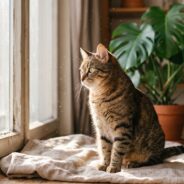
Common Allergens in Cats: What Every Cat Parent Should Know
If your cat has been scratching more than usual, losing fur, or developing skin issues, allergies might be to blame. Just like humans, cats can develop allergic reactions to things in their everyday environment. Understanding common allergens can help you take better care of your feline companion and know when it’s time to visit your veterinarian. Environmental Allergens One of the most common allergy conditions in cats is called Feline Atopic Skin Syndrome (FASS). This condition is triggered by allergens found in the environment...

4 Natural Ways to Support Gut Microbiome Health in Dogs
If you’ve been hearing a lot about the “microbiome” lately, you’re not alone. Scientists and veterinarians are learning more every day about how the trillions of tiny bacteria living in your dog’s gut affect their overall health. From digestion to mood, a healthy and diverse microbiome can make a big difference in your dog’s life. The good news? There are some simple, natural things you can add to your dog’s diet to help support it. What Is the Microbiome? The microbiome is the community of bacteria...