









Fleas vs. Ticks: What Every Dog Parent Should Know
Fleas and ticks are pesky parasites that can harm your dog and even impact your family’s health. Although they require different strategies, prevention plans are your best defense against both. Be sure to chat with your vet about what’s right for your dog. If you’ve got a dog, you’ve probably heard a lot about fleas and ticks. These little pests aren’t just annoying; they can lead to serious health issues for your pup, and sometimes even for you. While fleas and ticks are quite different, knowing how to tackle...

A Guide to Gut Biotics in Dogs
TL;DR Your dog’s gut is home to trillions of microorganisms that impact everything from digestion to mental health. There are different types of “biotics” that can help support your dog’s gut health, probiotics, prebiotics, postbiotics, parabiotics, synbiotics, and psychobiotics. Each type plays a unique role in keeping your pup healthy. Have you ever thought about what’s happening inside your dog’s gut? When people talk about “gut health,” they often think of a happy tummy. But your dog’s...
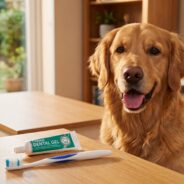
Enzyme-Based Natural Dental Care for Dogs
Enzyme-based dental care products can be a great, natural way to help keep your dog’s teeth healthy. These products break down plaque before it turns into tartar. While they’re a nice addition to your dog’s dental care routine, they work best alongside regular brushing and professional cleanings. Always check with your vet before starting anything new for your dog’s dental health. Surprisingly, research shows that around 80-90% of dogs over three years old have some type of periodontal disease. That’s pretty...
Mistletoe for Cancer and Inflammation in Dogs: The Extract, Not the Plant
TL;DR Mistletoe extract has been explored in veterinary medicine for its immune-boosting and anti-tumor properties. However, the plant is also toxic to dogs. Always speak with a veterinarian before considering any mistletoe-based treatment for your dog. When most of us think of mistletoe, we think of holiday decorations hanging in doorways. But in integrative veterinary medicine, mistletoe has been getting attention for something interesting, its potential role in supporting dogs dealing with cancer and immune challenges. Let’s break it...

Undiagnosed symptoms? Try an at-home microbiome test!
Microbiome imbalance can impact the entire body. Learn more about your fur baby’s gut health with an at-home microbiome test. The gut is home to a diverse community of microorganisms that play an important role in your dog’s or cat’s overall well-being. When this delicate ecosystem falls out of balance, it can disrupt normal gut function and potentially contribute to a variety of health concerns. Gut microbiome imbalances can be difficult to diagnose because the symptoms are so numerous. But a new at-home microbiome test...

How to Help Your Dog Detox Naturally
TL;DR Your dog’s body has a natural way of getting rid of harmful stuff. You can help out by ensuring they have clean water, a nutritious diet, probiotics, and by minimizing their exposure to harmful substances. Did you know your dog’s body is on a constant mission to cleanse itself? Just like us, dogs have organs that team up to eliminate harmful materials. The liver, kidneys, digestive system, and even the skin are all crucial players in this process. As a dog companion, there are simple daily actions you can take to lend a hand...

6 Feline Health Issues That May Respond to Acutonics
TL;DR Acutonics is a sound-based therapy that uses tuning forks on acupuncture points to help support your cat’s health. It might assist with issues like pain, anxiety, digestion, breathing, nerve problems, recovery, and immune support. It’s best used alongside regular vet care, never as a substitute. Always consult your vet before trying any new treatments for your cat. As cat parents, we naturally want the best for our furry companions. More and more of us are turning to complementary therapies to boost our cats’...

Natural Sleep and Recovery Support for Senior Dogs
TL;DR Senior dogs often face challenges with sleep and recovery due to aging joints, anxiety, and slower body systems. Solutions like herbal supplements (valerian root, chamomile, and turmeric), massage, good nutrition, and calming environments can naturally promote better rest and healing. Always check with your vet before starting any new health routine. As dogs get older, their bodies undergo some significant changes. Like us humans, senior dogs often have trouble falling asleep, staying comfy through the night, or recovering after...

Creating a Calmer Home: 5 Simple Ways to Help Cats and Dogs Relax
Learn simple tricks that can reduce pet stress and help cats and dogs relax and enjoy calmer lives! Occasional fear or tension is a normal part of life for cats and dogs, but ongoing stress can take a toll on both physical and emotional health. Everyday triggers can hide everywhere depending on your dog’s or cat’s breed, age, temperament, experiences, socialization, and genetics. Fortunately, small changes at home can create a calmer environment that makes two- and four-legged family members feel more secure, resilient, and...

Future Tech: Wearable Biosensors in Dogs and Cats
Technology is shifting how we take care of our animals, and one of the coolest developments in the works is wearable biosensor technology. These gadgets can be worn on an animal’s body to monitor their health in real time. But where are we with this tech for our dogs and cats? What Are Wearable Biosensors? So, what exactly are wearable biosensors? Well, they’re tiny devices designed to keep tabs on biological signals from the body. In human healthcare, the common examples include smartwatches tracking heart rates, blood oxygen,...